
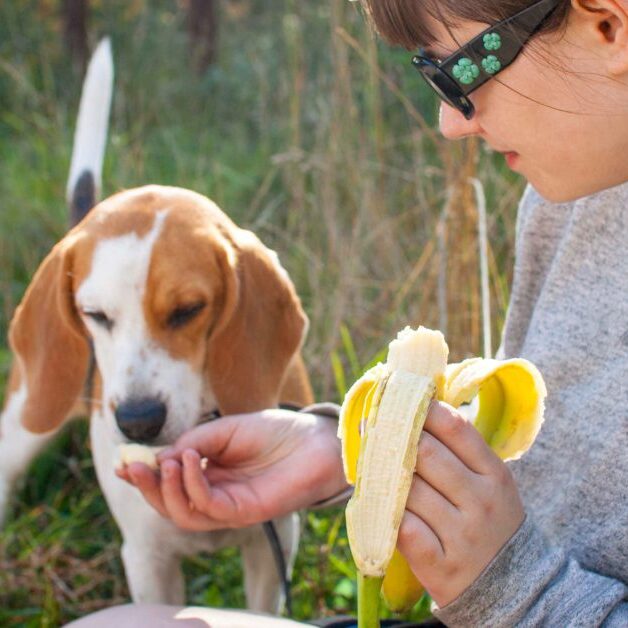
Yes, dogs can eat bananas, and in moderation, this sweet fruit can actually be a healthy, low-calorie treat for most dogs. If you’ve ever caught your dog staring longingly at your banana with those classic “please share” eyes, you’re not alone in wondering whether it’s actually safe to give in. The good news is that bananas are one of the more dog-friendly fruits out there, packed with nutrients that can genuinely benefit your pup. The not-so-simple part is understanding how much is too much, how to serve it safely, and which dogs might need to skip this snack altogether. At Venetian Pet Hospital in Stockton, CA, we can break down exactly what pet owners need to know.
Are Bananas Good for Dogs?
Bananas are generally considered a safe, nutrient-dense treat for dogs when given in appropriate portions. They’re not toxic, they’re easy to digest for most healthy dogs, and they offer a naturally sweet flavor that many dogs love. That said, “safe” doesn’t mean “unlimited.” Bananas should be treated as an occasional snack rather than a regular part of your dog’s diet.
Nutritional Benefits of Bananas for Dogs
Bananas offer several nutrients that can support your dog’s overall health when fed appropriately.
- Potassium, which supports muscle function and helps maintain healthy heart and kidney function
- Vitamin B6, which plays a role in metabolism and red blood cell production
- Vitamin C, an antioxidant that supports the immune system
- Fiber, which can aid digestion when given in small amounts
These nutrients make bananas a more wholesome treat option compared to many processed dog treats, which is part of why so many pet owners reach for bananas as a feel-good snack choice.
Why Moderation Matters
Despite their benefits, bananas are high in natural sugar and carbohydrates compared to many other fruits and vegetables dogs can eat. Feeding too much banana too often can contribute to unwanted weight gain or digestive upset, especially in smaller dogs. This is why portion control is just as important as the decision to feed bananas in the first place.
How Many Bananas Can a Dog Eat?
The appropriate amount of banana for a dog depends largely on size. As a general guideline, treats, including fruit, should make up no more than about 10 percent of your dog’s daily caloric intake.
- Small dogs (under 20 pounds): A few small slices, no more than once or twice a week
- Medium dogs (20 to 50 pounds): A quarter to half a banana as an occasional treat
- Large dogs (over 50 pounds): Up to half a banana on occasion, depending on overall diet
These are general starting points, and every dog’s tolerance is different. If your dog has a sensitive stomach, diabetes, or is overweight, it’s worth checking with your veterinarian at Venetian Pet Hospital before adding bananas to their treat rotation.
Signs You’re Feeding Too Much Banana
Watch for soft stool, diarrhea, or a noticeable change in appetite after feeding banana. These can be signs that the portion was too large or that bananas don’t agree with your particular dog. If this happens, it’s reasonable to scale back significantly or skip bananas altogether going forward.
How to Safely Serve Bananas to Your Dog
Serving bananas safely is mostly about preparation and portion size rather than anything complicated.
Peeling and Cutting
Banana peels are not toxic, but they’re tough, fibrous, and difficult for dogs to digest. They can also pose a choking hazard or contribute to an intestinal blockage, particularly in smaller dogs. Always peel the banana before offering it, and cut it into small, manageable pieces appropriate for your dog’s size.
Fresh vs. Frozen Bananas
Fresh banana slices work well as a quick treat, but frozen banana pieces can be an excellent option for hot days or for dogs that enjoy a slower, more satisfying snack. Freezing small banana chunks creates a cooling treat that many dogs find more engaging than a fresh slice.
Mixing Bananas Into Meals or Treats
Some pet owners like to mash banana into homemade treats or mix small amounts into their dog’s regular food for variety. This can be a good way to introduce the flavor without overdoing the portion size, though any homemade treats should still follow appropriate feeding guidelines for your dog’s size and health status.
Which Dogs Should Avoid Bananas?
While bananas are safe for most dogs, certain dogs may need to avoid them or eat them only in very limited amounts.
- Dogs with diabetes, due to the natural sugar content
- Dogs prone to obesity or currently on a weight management plan
- Dogs with kidney disease, since bananas are high in potassium, which can be problematic in some kidney conditions
If your dog falls into any of these categories, it’s worth having a quick conversation with your veterinarian before adding bananas, or any new treat, to their routine.
What About Other Parts of the Banana Plant?
Pet owners sometimes ask whether banana peels, banana bread, or banana-flavored products are safe too. Banana peels should be avoided due to digestive risk, as mentioned above. Banana bread and other baked goods often contain added sugar, butter, and sometimes ingredients like xylitol or chocolate that are unsafe for dogs, so these should generally be kept away from pets entirely. When it comes to banana-flavored treats, always check the ingredient list rather than assuming the product is dog-safe just because it’s marketed for pets.
What to Do If Your Dog Eats Banana Peel or Too Much Banana
If your dog accidentally eats a banana peel or consumes more banana than intended, monitor them closely for signs of digestive upset, such as vomiting, diarrhea, or lethargy. Mild stomach upset often resolves on its own, but if symptoms persist for more than a day, or if you notice signs of a possible blockage like repeated vomiting or a swollen abdomen, contact Venetian Pet Hospital right away.
A Healthy Treat When Done Right
Bananas can absolutely have a place in your dog’s treat rotation when served in moderation and prepared safely. They offer real nutritional value, dogs tend to love the taste, and they’re a simple way to add variety to treat time without reaching for something processed. As with any new food, paying attention to your individual dog’s response is key. If you have questions about your dog’s diet, weight, or whether a specific treat is appropriate for their health needs, our veterinary team at Venetian Pet Hospital in Stockton is happy to help you build a feeding plan that works. Call (209) 250-8347 or book an appointment online today!
About Us
Venetian Pet Hospital provides established veterinary care in Stockton, CA for dogs, cats, birds, reptiles, and pocket pets. Our team offers wellness care, dentistry, surgery, diagnostics, urgent care, and other services to support pets through every stage of life.