
Aging Gracefully with Senior Cat and Dog Care in Stockton, CA
Maybe your dog pauses before climbing into the car. Maybe your cat sleeps through parts of the day they used to spend exploring. Or maybe your pet still seems happy, but you’ve noticed small changes in appetite, weight, movement, or behavior.
These shifts can be easy to explain away, but they often give us important clues about an aging pet’s health. At Venetian Pet Hospital, we provide personalized senior cat and dog care to help older pets stay comfortable, supported, and closely monitored as their needs change.
Our Stockton, CA team helps you understand what may be normal aging, what may point to pain or illness, and what options can help your pet feel better. Call (209) 477-3926 or book online to schedule your senior pet’s wellness visit.
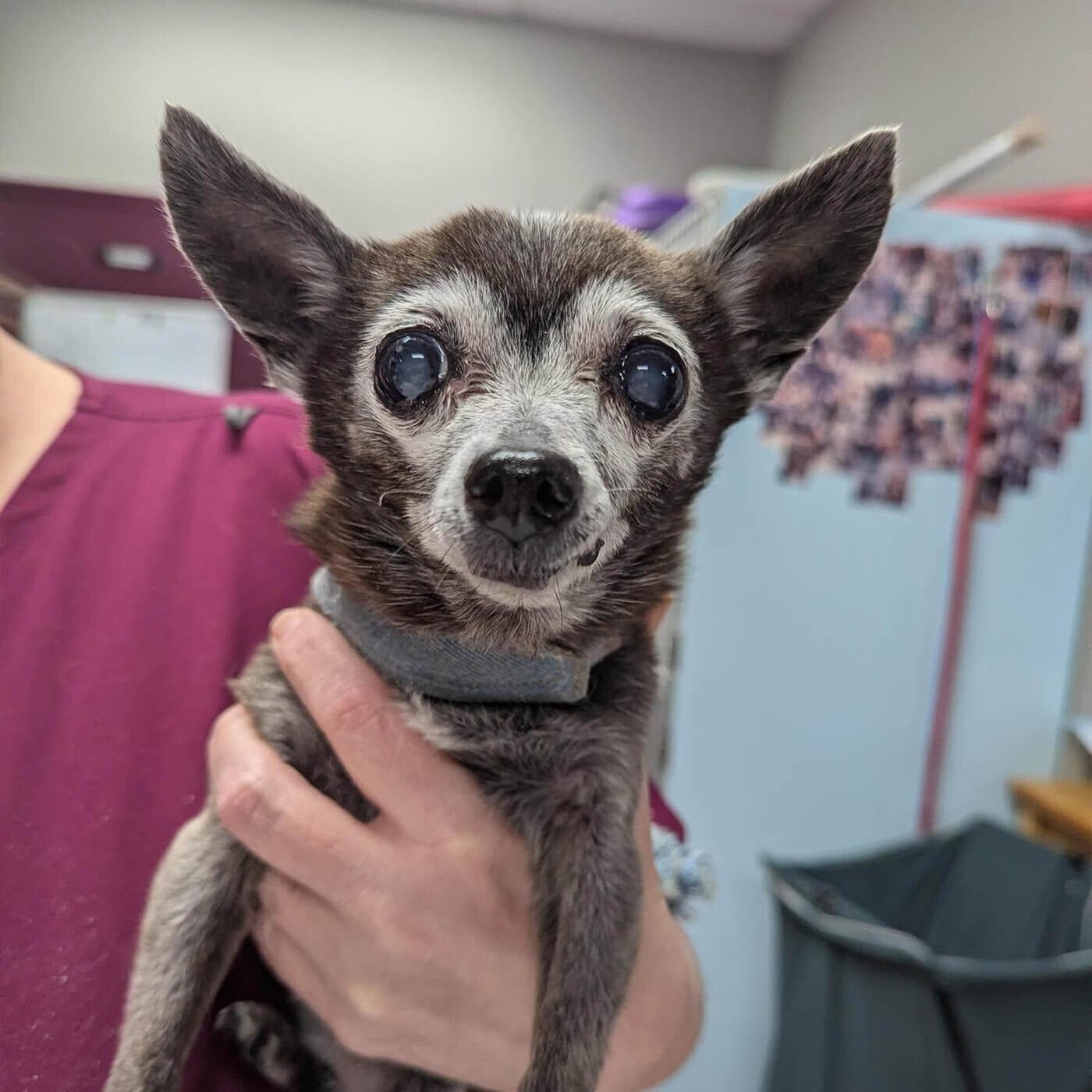
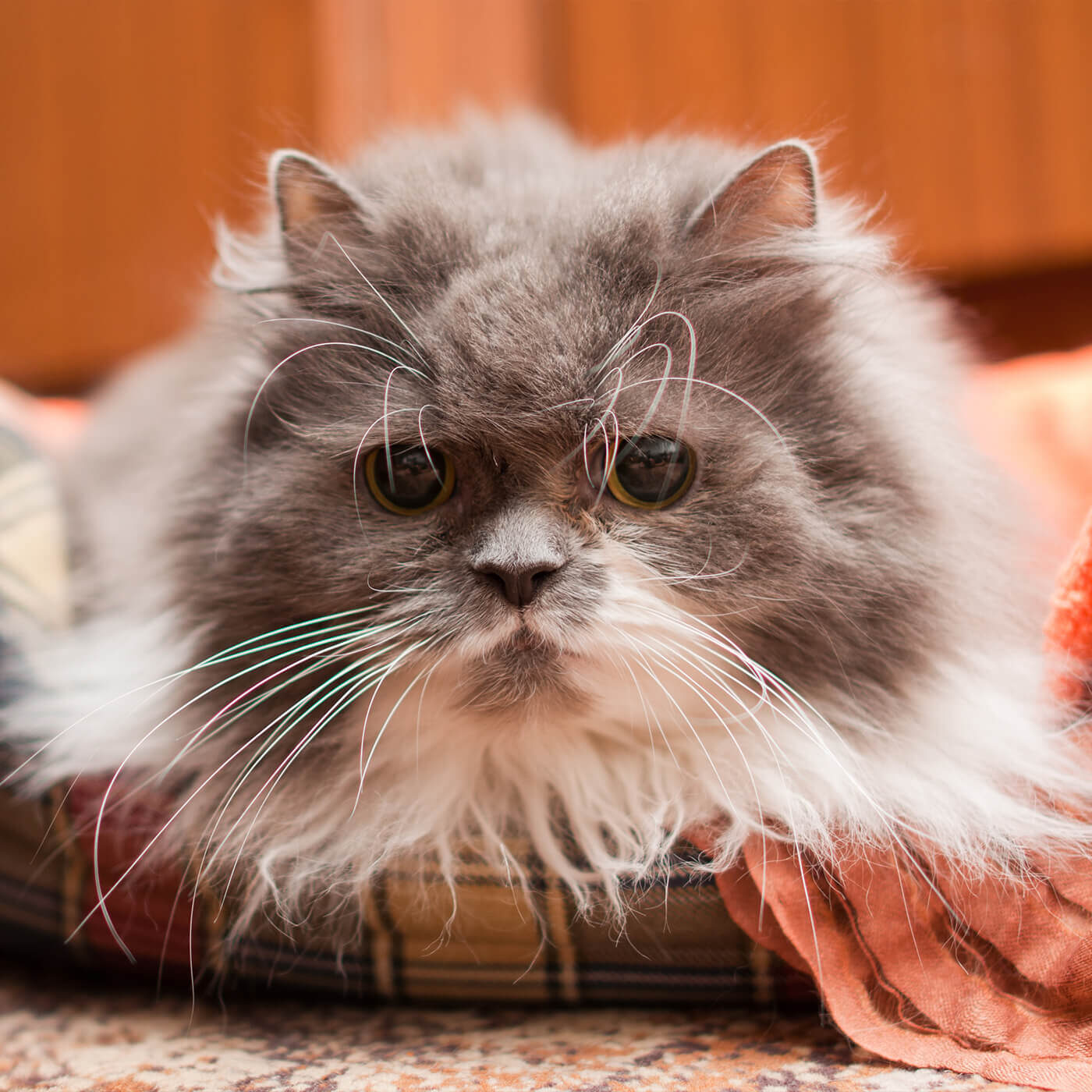
When Do Dogs and Cats Reach Their Senior Years?
Cats are often considered senior around 7 to 10 years old. Dogs may reach the senior stage earlier or later depending on their size, breed, and health, with larger dogs often aging faster than smaller breeds.
Once pets enter their senior years, routine exams become more important. Many age-related conditions begin quietly, and older pets may not show obvious signs until a problem has progressed.
For many senior dogs and cats, twice-yearly wellness visits and routine lab work can help us track changes in organ function, weight, mobility, dental health, and comfort over time.
How Senior Veterinary Care Supports Daily Comfort
Senior care looks at the whole pet, not just one symptom. During your pet’s visit, we evaluate their physical health, mobility, pain level, behavior, appetite, hydration, weight, and overall quality of life.
Your veterinarian may recommend bloodwork, urinalysis, thyroid testing, blood pressure screening, digital imaging, dental evaluation, or other diagnostics based on your pet’s needs. These tools help us see what is happening internally, even when your pet still appears “mostly normal” at home.
Pain management is also an important part of senior care. If your pet is hesitant on stairs, slower on walks, sleeping more, avoiding touch, or struggling to get comfortable, we can look for sources of pain and talk through treatment options.
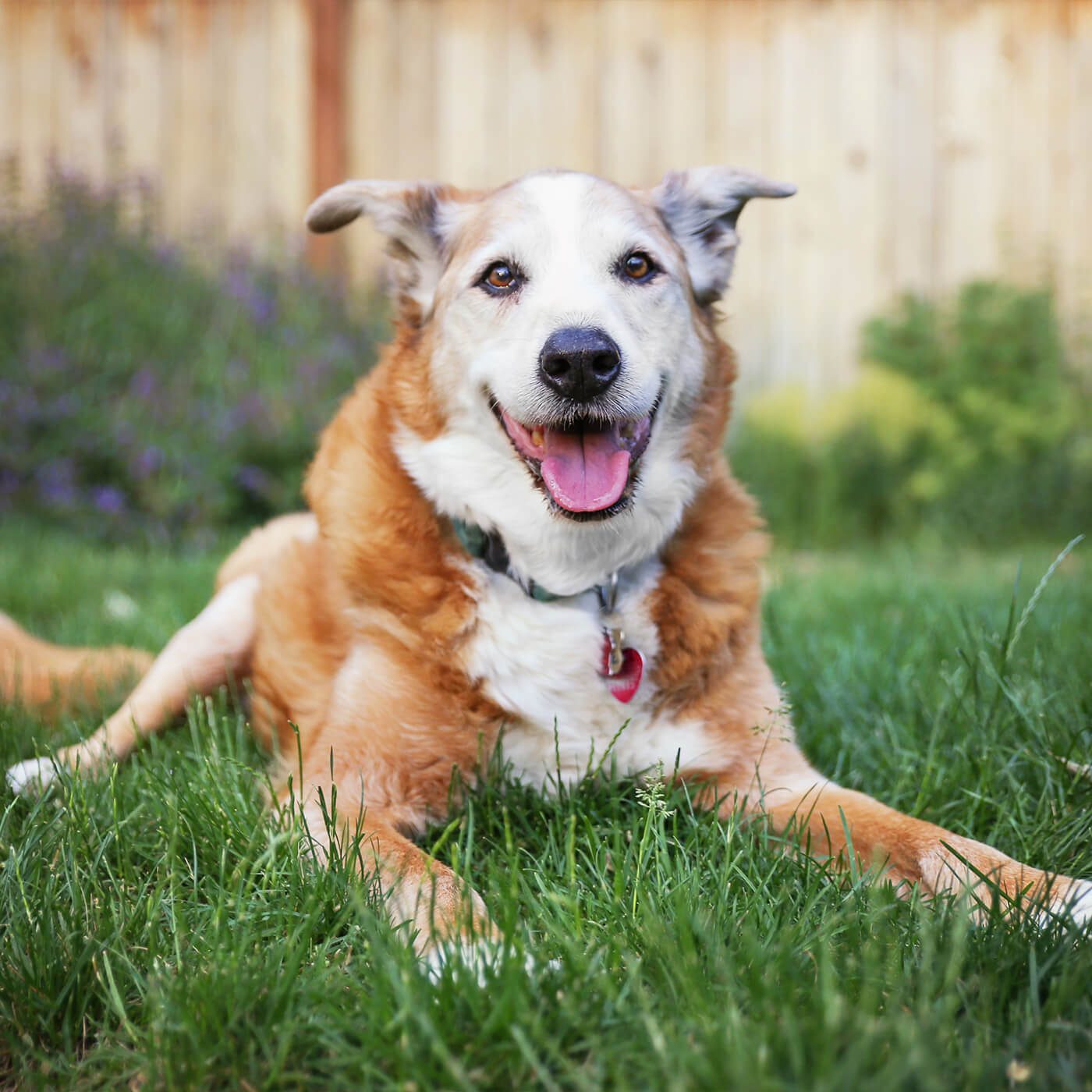
Signs Your Senior Pet May Need a Veterinary Visit
Some senior pet changes should be checked sooner rather than later. Even subtle shifts can point to pain, organ changes, dental disease, or other medical concerns.
Schedule a visit if you notice:
-
Limping, stiffness, or trouble standing
-
Less interest in walks, play, or jumping
-
Increased thirst or urination
-
Appetite changes
-
Weight loss or weight gain
-
Accidents in the house
-
Bad breath, drooling, or trouble chewing
-
New lumps or changes in existing lumps
-
Coughing, weakness, or tiring quickly
-
Confusion, pacing, or nighttime restlessness
-
Hiding, irritability, or changes in social behavior
Aging does not mean your pet has to struggle silently. Many older pets can feel noticeably better once pain, dental disease, or internal health concerns are addressed.
Care Plans That Change With Your Pet
Your senior pet’s needs may shift from one season to the next. A plan that worked last year may need updates as their mobility, appetite, medications, or lab results change.
Our Stockton team has cared for generations of local families and their pets, and we know how meaningful these later years can be. If your pet is aging, slowing down, or showing changes that concern you, we’re here to help you make clear, compassionate decisions.
Call Venetian Pet Hospital at (209) 477-3926 or book online to schedule your senior pet’s wellness visit.