
Skin Care for Cat and Dog Allergies in Stockton, CA
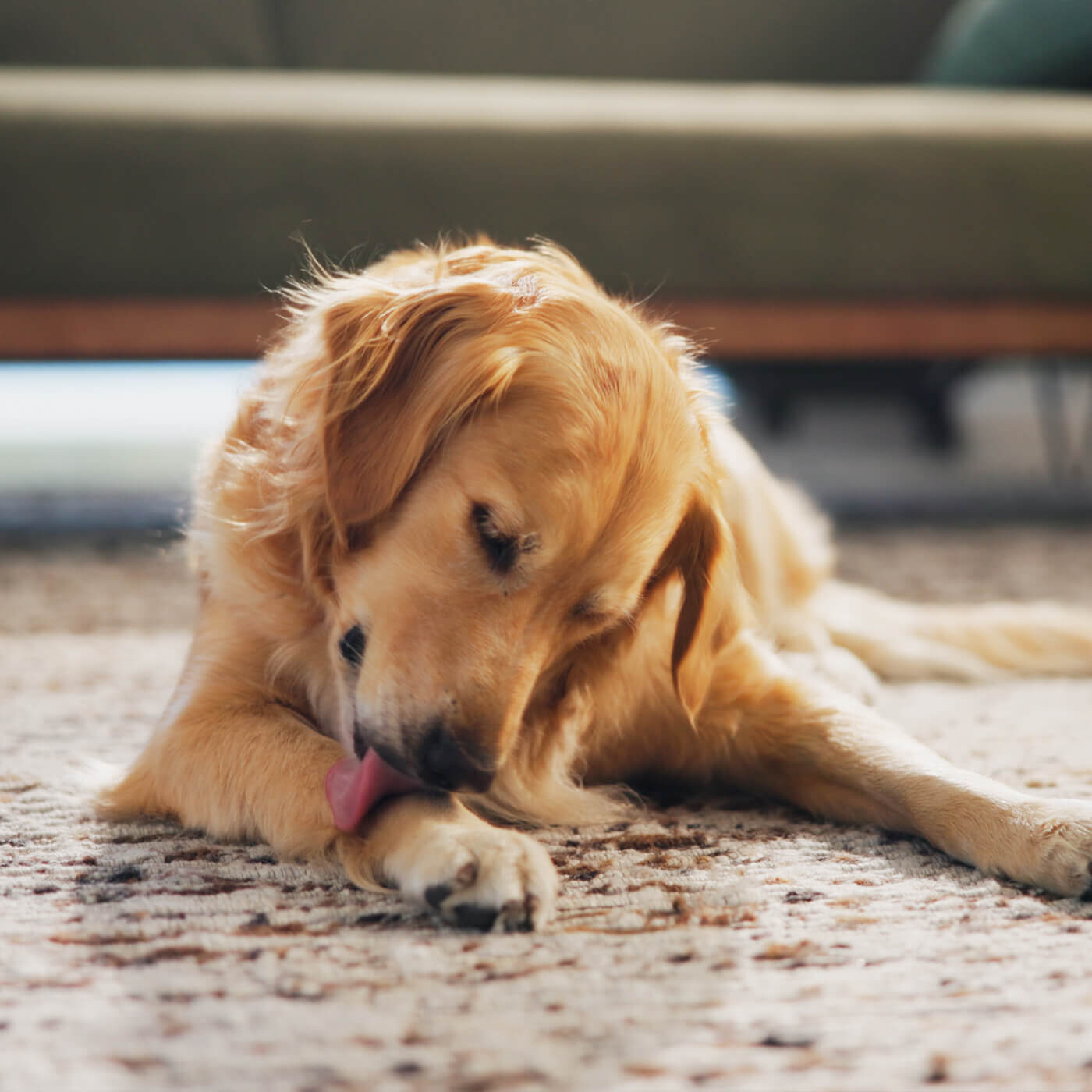
Scratching here and there may not seem like a big deal. But when your dog keeps chewing their paws, your cat is overgrooming, or ear infections keep coming back, something deeper may be driving the discomfort.
At Venetian Pet Hospital, we diagnose and treat cat and dog allergies, along with many common skin, coat, paw, and ear concerns. Our Stockton, CA veterinarians look for the cause of your pet’s symptoms so we can relieve irritation, treat infection, and help reduce future flare-ups.
If your pet is itchy, licking constantly, shaking their head, losing fur, or dealing with recurring ear problems, call (209) 477-3926 or book online to schedule a visit.

Signs Your Pet May Have Allergies or Skin Disease
Allergies can look different from one pet to another. Some pets scratch nonstop, while others lick their paws, develop ear infections, or lose patches of fur. Some pets flare up during certain seasons. Others itch throughout the year, especially when allergies, infections, or parasites overlap.
Common signs of allergies and skin problems include:
-
Frequent scratching, licking, or chewing
-
Paw chewing or red, irritated feet
-
Head shaking or ear scratching
-
Recurring ear infections
-
Red, inflamed, or thickened skin
-
Hair loss or thinning coat
-
Scabs, sores, or hot spots
-
Greasy, flaky, or smelly skin
-
Excessive shedding
-
Scooting or anal gland irritation
-
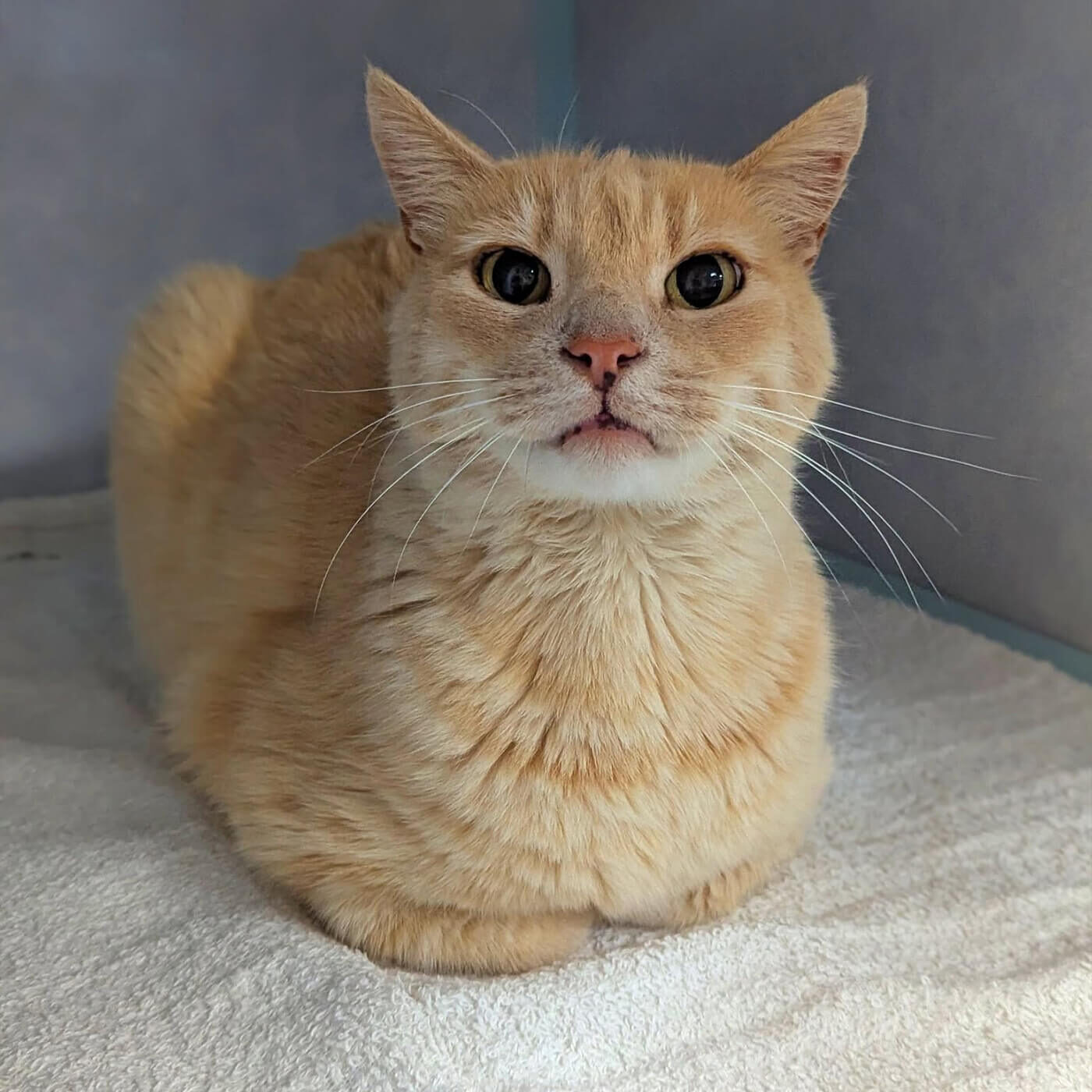
Overgrooming in cats
How We Find the Cause of Your Pet’s Skin Symptoms
During an allergy or skin visit, we start by reviewing your pet’s symptoms, timeline, lifestyle, diet, flea prevention history, previous treatments, and response to medication. Then we examine the skin, ears, coat, paws, and any irritated areas closely.
Depending on your pet’s symptoms, your veterinarian may recommend:
-
Skin cytology to check for bacteria or yeast
-
Ear cytology for recurring or painful ear infections
-
Skin scrapings to look for mites
-
Flea and parasite evaluation
-
Fungal testing when appropriate
-
Bloodwork to screen for internal health concerns
-
Food trials for suspected food sensitivities
-
Allergy testing in select cases
These tests help us understand whether your pet is dealing with allergies, infection, parasites, inflammation, or another medical concern.
Treatment Options for Pet Allergies and Ear Infections
Treatment depends on the cause of your pet’s symptoms. A pet with a yeast ear infection needs a different plan than a dog with flea allergy dermatitis or a cat with food-related itching.
Your pet’s care plan may include:
-
Prescription allergy medication
-
Ear medications
-
Antibiotics or antifungal medication
-
Medicated shampoos, wipes, mousses, or sprays
-
Diet changes or prescription nutrition
-
Supplements to support skin health
-
Treatment for skin fold irritation
-
Recheck exams to track progress
-
Referral coordination with a veterinary dermatologist when needed
Our goal is to calm the current flare-up while creating a plan that helps prevent the same problem from cycling back over and over.