
Yes, bad breath in dogs can sometimes signal a serious underlying health issue, but in most cases, it’s caused by dental plaque buildup that’s treatable with professional care. If your dog’s breath has gone from a little funky to downright unbearable, you’re probably wondering whether this is just a normal dog thing or a sign that something’s actually wrong.
The truth is, dog bad breath, also known as halitosis, exists on a spectrum. On one end, you have the mild, slightly fishy smell that comes from your dog eating dinner an hour ago. On the other end, you have a persistent, foul odor that lingers no matter how many dental chews you throw at the problem. At Venetian Pet Hospital in Stockton, CA, we see dogs whose bad breath turned out to be the first noticeable symptom of dental disease, kidney problems, or other conditions that needed attention. This blog walks you through what’s normal, what’s not, and when it’s time to bring your dog in.
What Causes Bad Breath in Dogs?
Bad breath in dogs almost always starts in the mouth. Dogs don’t brush their teeth on their own, and most pet owners don’t realize how quickly plaque and bacteria can build up along the gumline. Within just a day or two, plaque begins to harden into tartar, and that tartar becomes a breeding ground for odor-causing bacteria. This is why dog breath smell is one of the most common complaints we hear from pet parents at our Stockton animal hospital.
Dental Disease and Plaque Buildup
Periodontal disease is the leading cause of bad breath in dogs, affecting a large percentage of dogs by the time they reach adulthood. As plaque hardens into tartar, it irritates the gums, leading to inflammation called gingivitis. Left untreated, this progresses to more advanced periodontal disease, where the bacteria can affect the structures supporting the teeth. The smell associated with this kind of dog bad breath tends to be sharp, persistent, and unmistakable once you’ve smelled it.
Diet and Eating Habits
Sometimes the explanation for bad breath in dogs is simply diet-related. Dogs that get into garbage, eat stinky treats, or have a habit of raiding the litter box (yes, it happens) can develop temporary bad breath that resolves on its own. This type of odor usually comes and goes and isn’t accompanied by other symptoms.
Underlying Health Conditions
Less commonly, bad breath in dogs can point to something beyond the mouth. A sweet or fruity smell may be associated with diabetes, while a urine-like odor can sometimes be linked to kidney issues. Liver problems have also been associated with distinct breath odors in dogs. These cases are less frequent than dental causes, but they’re exactly why persistent bad breath in dogs deserves a vet’s attention rather than just a breath mint solution.
What Does Dog Bad Breath Smell Like When It’s Serious?
A lot of pet owners ask us, “What does serious dog breath actually smell like?” While every dog and every condition is different, there are some patterns worth knowing.
- A strong, rotten smell often points to advanced dental disease or an oral infection.
- A sweet or fruity odor can be associated with elevated blood sugar and should prompt a conversation with your vet.
- An ammonia-like or urine smell may be linked to kidney function changes.
- A metallic or unusual chemical smell is worth mentioning to your veterinary team, especially if it’s new.
If you notice any of these specific smells, especially alongside other symptoms like changes in appetite, water intake, or energy level, it’s time to schedule an appointment rather than wait it out.
When Should You Take Your Dog to the Vet for Bad Breath?
You should take your dog to the vet for bad breath if the odor is persistent, worsening, or paired with other symptoms like drooling, difficulty chewing, bleeding gums, or visible tartar buildup. A single bad-breath day after your dog eats something questionable usually isn’t a reason to worry. But chronic bad breath in dogs is different. It’s your dog’s way of telling you something has changed in their mouth or their body, and it rarely improves without intervention.
Signs That Warrant a Same-Week Appointment
- Bad breath combined with visible yellow or brown tartar on the teeth
- Red, swollen, or bleeding gums
- Reluctance to eat hard food or chew on toys
- Pawing at the face or mouth
Signs That Warrant Urgent Veterinary Care
Some symptoms move beyond “schedule a checkup” territory and into “call the vet today” territory. If your dog’s bad breath is accompanied by significant lethargy, vomiting, increased thirst, or a noticeable change in urination habits, these can indicate that an underlying condition is affecting more than just the mouth. Our veterinary team at Venetian Pet Hospital can run the appropriate diagnostics to determine what’s going on.
How Is Bad Breath in Dogs Diagnosed and Treated?
Diagnosing the cause of bad breath in dogs starts with a thorough oral exam. Our veterinarians examine the teeth and gums for tartar, inflammation, and signs of infection. In many cases, this exam alone reveals the source of the smell.
Professional Dental Cleanings
For dogs with plaque and tartar buildup, a professional dental cleaning performed under anesthesia is typically the most effective treatment. This allows our veterinary team to clean below the gumline, where the most damaging bacteria live, and to take dental X-rays if needed to evaluate tooth roots and bone health.
Bloodwork and Further Testing
When bad breath in dogs seems disconnected from dental health, or when other symptoms are present, your veterinarian may recommend bloodwork to check organ function and blood sugar levels. This helps rule out or confirm systemic causes like diabetes or kidney disease.
At-Home Maintenance After Treatment
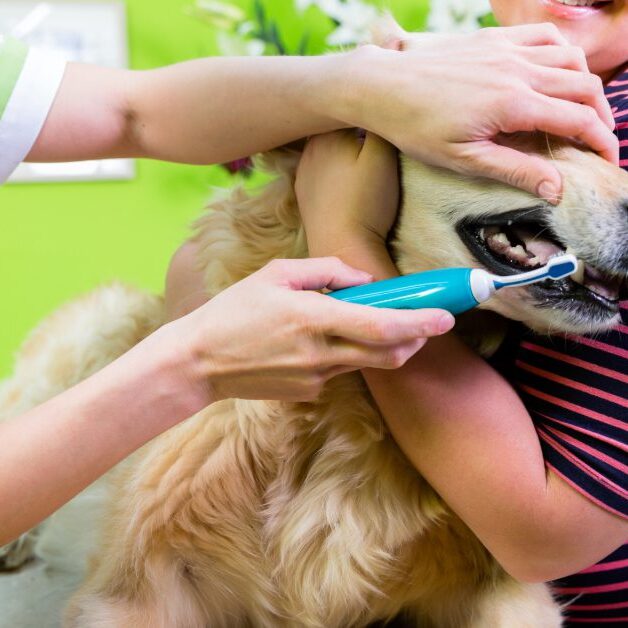
Once an underlying issue is addressed, maintaining your dog’s oral health becomes the focus. Many pet owners find that incorporating daily brushing, dental-specific chews, and routine veterinary checkups helps prevent the same problem from returning.
What Pet Owners in Stockton Should Know About Preventing Bad Breath in Dogs
Bad breath prevention starts with consistency. Daily or even a few-times-weekly tooth brushing makes a significant difference in plaque buildup over time. Veterinary-approved dental chews and water additives can also help between brushings, though they work best as a supplement to brushing rather than a replacement for it. Routine wellness exams, including oral health checks, allow our veterinarians to catch dental disease before it progresses and before the odor becomes severe.
Trust Your Nose and Schedule a Visit
Your dog’s breath is actually a useful health indicator, even when it’s an unpleasant one. Mild, occasional odor is normal dog behavior, but a strong, persistent, or unusual smell is your dog’s way of flagging that something needs attention. Our team at Venetian Pet Hospital in Stockton, CA, is here to help you figure out exactly what’s behind your dog’s bad breath and get them back to feeling, and smelling, their best. If you’ve noticed a change in your dog’s breath that doesn’t seem right, call (209) 250-8347 or book an appointment online today!
About Us
Venetian Pet Hospital provides established veterinary care in Stockton, CA for dogs, cats, birds, reptiles, and pocket pets. Our team offers wellness care, dentistry, surgery, diagnostics, urgent care, and other services to support pets through every stage of life.