
Cat dehydration occurs when your cat loses more fluid than they take in, and the most reliable warning signs include lethargy, dry or tacky gums, and skin that doesn’t snap back quickly when gently lifted. Cats are notoriously good at hiding when something’s wrong, which makes dehydration one of those issues that can sneak up on even the most attentive pet owners. Because cats have a naturally low thirst drive compared to dogs, many cats live in a state of mild, chronic under-hydration without their owners ever realizing it. At Venetian Pet Hospital in Stockton, CA, helping cat owners recognize dehydration early, before it becomes a bigger problem, is something our veterinary team prioritizes. Below, we’ll cover what every cat owner should know about spotting and addressing cat dehydration.
Why Are Cats Prone to Dehydration?
Cats evolved as desert animals, descended from species that obtained much of their moisture from prey rather than drinking water directly. This evolutionary history means many cats simply don’t feel motivated to drink as much water as their bodies actually need, especially if they’re eating primarily dry food.
Common Causes of Cat Dehydration
- Low water intake, often related to diet or simply not liking the available water source
- Vomiting or diarrhea, which causes rapid fluid loss
- Kidney disease, a common condition in older cats that affects the body’s ability to conserve water
- Diabetes, which can increase both thirst and urination
- Hot weather or reduced appetite, which can compound fluid loss in cats already prone to drinking too little
Understanding the root cause matters because the right response to cat dehydration depends heavily on what’s driving it in the first place.
What Are the Signs of Dehydration in Cats?
Recognizing the signs of dehydration in cats early gives you the best chance to address the issue before it becomes severe.
Early Signs of Cat Dehydration
- Lethargy or reduced activity compared to your cat’s normal behavior
- Dry or tacky gums, rather than the moist, slick feel of well-hydrated gums
- Slightly sunken eyes
- Reduced appetite
These early signs can be subtle, which is part of why dehydration is so often missed in its initial stages, especially in cats that are naturally quiet or low-energy.
More Advanced Signs of Dehydration
As dehydration progresses, symptoms become more pronounced and easier to recognize.
- Noticeably sunken eyes
- Skin that stays tented when gently pinched, rather than springing back into place
- Rapid heart rate or breathing
- Weakness or collapse in severe cases
If your cat shows any of these more advanced signs, it’s important to seek veterinary care promptly rather than trying to manage hydration at home.
How Can You Check Your Cat for Dehydration at Home?
There are a couple of simple checks that can give you a general sense of your cat’s hydration status, though these should never replace a veterinary evaluation if you’re genuinely concerned.
The Skin Tent Test
Gently lift the skin at the back of your cat’s neck or between the shoulder blades, then release it. In a well-hydrated cat, the skin should snap back into place almost immediately. If it returns slowly, or stays tented for a moment before settling, this can be a sign of dehydration. Keep in mind that this test becomes less reliable in senior cats, as skin elasticity naturally decreases with age regardless of hydration status.
Checking the Gums
Healthy, hydrated gums should feel moist and slick to the touch. Dry, sticky, or tacky-feeling gums can indicate that your cat isn’t getting enough fluids. This check works best when you’re already familiar with how your cat’s gums normally feel, which is one more reason routine handling and wellness visits are valuable.
Watching Water and Litter Box Habits
A noticeable drop in how much water your cat drinks, or a significant change in urination, whether that’s less frequent or much more frequent, can be an important clue. Both directions of change, drinking too little or suddenly drinking and urinating much more, can point toward different underlying health concerns and are worth mentioning to your veterinarian.
When Should You Take a Dehydrated Cat to the Vet?
You should take your cat to the vet for dehydration if you notice lethargy, dry gums, sunken eyes, or skin tenting, especially if these signs are paired with vomiting, diarrhea, reduced appetite, or known kidney or diabetes concerns. Cat dehydration rarely resolves on its own once it reaches a noticeable stage, and underlying causes like kidney disease typically require ongoing veterinary management rather than a one-time fix.
When It’s an Emergency
If your cat is severely lethargic, unresponsive, has a rapid heart rate, or has been unable to keep water down due to persistent vomiting, this is an emergency situation. Contact Venetian Pet Hospital immediately for urgent care, as severe dehydration can affect organ function quickly in cats.
How Is Cat Dehydration Treated?
Treatment for cat dehydration depends entirely on the underlying cause and severity.
Fluid Therapy
In many cases, cats with dehydration benefit from fluid therapy, which can be administered under the skin or through an IV depending on severity. This helps restore proper hydration while your veterinarian addresses the underlying cause.
Identifying and Managing the Root Cause
Because dehydration is often a symptom rather than a standalone problem, your veterinarian will likely recommend diagnostics such as bloodwork or urinalysis to identify what’s driving the fluid loss, whether that’s kidney function changes, diabetes, or a gastrointestinal issue.
How Can You Help Prevent Dehydration in Cats?
Encouraging better hydration habits can make a meaningful difference for cats prone to low water intake.
- Provide multiple water sources around the home, since some cats prefer drinking away from their food
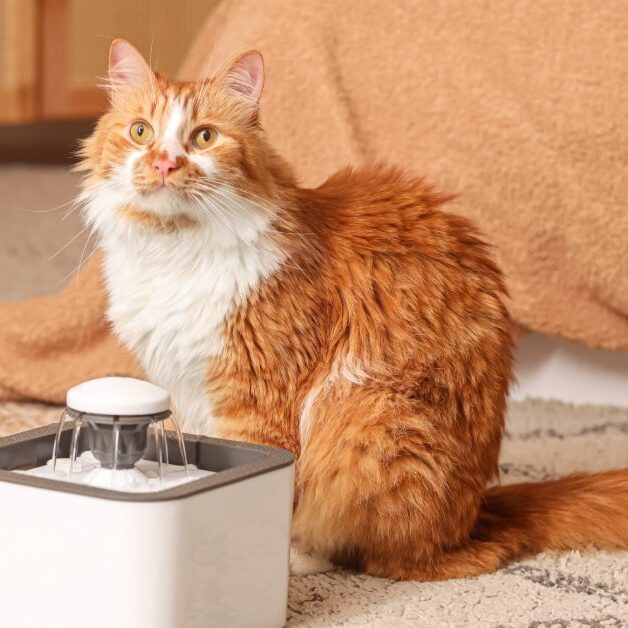
- Consider a cat water fountain, as many cats are drawn to moving water
- Incorporate wet food into the diet, which naturally increases fluid intake
- Keep water bowls clean and refreshed regularly, since cats can be particular about water freshness
Stay Tuned In to Your Cat’s Hydration Needs
Cat dehydration can be easy to miss precisely because cats are so good at masking discomfort, but a little awareness goes a long way. Learning what your cat’s normal gum feel and energy level look like makes it much easier to notice when something changes. Our veterinary team at Venetian Pet Hospital in Stockton, CA, is always available to help you assess your cat’s hydration status or address an underlying condition contributing to fluid loss. If you’re noticing any warning signs in your cat, call us at (209) 250-8347 or book an appointment online today.
About Us
Venetian Pet Hospital provides established veterinary care in Stockton, CA for dogs, cats, birds, reptiles, and pocket pets. Our team offers wellness care, dentistry, surgery, diagnostics, urgent care, and other services to support pets through every stage of life.