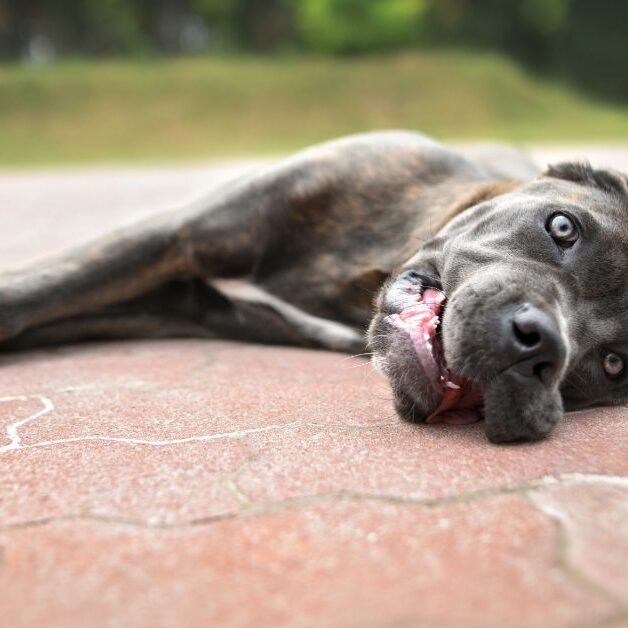
The early signs of dog heatstroke include heavy panting, excessive drooling, bright red gums, and a noticeable change in energy or coordination, and catching these signs quickly can make a life-saving difference. Stockton summers get hot, and for our dogs, that heat carries real risk. Heatstroke in dogs can progress from mild to dangerous in a surprisingly short window of time, which is exactly why knowing the early warning signs matters so much.
At Venetian Pet Hospital, we see an uptick in heat-related emergencies every summer, and in many of those cases, pet owners tell us they noticed something was “off” before things got serious. This guide will help you recognize dog heatstroke signs early, understand what puts certain dogs at higher risk, and know exactly what to do if you suspect your dog is overheating.
What is Heatstroke in Dogs?
Heatstroke in dogs occurs when their body temperature rises to a dangerous level and they’re unable to cool themselves down fast enough. Unlike people, dogs don’t sweat efficiently across their body. They rely primarily on panting and, to a lesser extent, sweating through their paw pads to regulate temperature. When the environment is too hot, humid, or when a dog is overexerted, this cooling system can become overwhelmed.
Why Heatstroke Progresses So Quickly
Once a dog’s internal temperature climbs too high, the body can enter a dangerous cycle where organ function starts to be affected, which in turn makes it even harder for the dog to cool down. This is why early recognition of dog heatstroke signs is so important. The sooner action is taken, the better the outcome tends to be.
What Are the Early Signs of Heatstroke in Dogs?
Recognizing dog heatstroke signs early gives you the best chance to intervene before the situation becomes a true emergency.
Early Warning Signs to Watch For
- Heavy or rapid panting that seems excessive for the activity level or temperature
- Bright red gums or tongue, which can indicate the body is working hard to dissipate heat
- Excessive drooling, more than what’s typical for your dog
- Restlessness or noticeable distress, like pacing or seeking shade repeatedly
If you notice these early dog heatstroke signs, the appropriate response is to move your dog to a cooler area immediately and contact your veterinarian for guidance.
Signs That Indicate Heatstroke Is Progressing
As heatstroke advances, symptoms become more severe and require immediate veterinary attention.
- Stumbling, weakness, or loss of coordination
- Vomiting or diarrhea
- Collapse or loss of consciousness
- Glazed eyes or a vacant, unresponsive look
If your dog displays any of these advanced symptoms, this is a true veterinary emergency, and you should head to Venetian Pet Hospital or the nearest emergency veterinary facility right away.
Which Dogs Are Most at Risk for Heatstroke?
While any dog can develop heatstroke under the right conditions, certain dogs face a higher risk due to their physical characteristics or health status.
Breed and Physical Factors
Brachycephalic, or flat-faced, breeds such as Bulldogs, Pugs, and Boxers have a harder time panting efficiently, which puts them at increased risk for heatstroke even in moderately warm conditions. Dogs with thick double coats can also struggle to dissipate heat compared to short-haired breeds.
Age and Health Status
Puppies and senior dogs tend to regulate temperature less effectively than healthy adult dogs. Dogs that are overweight, have heart or respiratory conditions, or have previously experienced heatstroke are also at elevated risk and should be monitored especially closely during warm weather.
Situational Risk Factors
Beyond breed and health, certain situations dramatically increase heatstroke risk:
- Being left in a parked car, even briefly, even with windows cracked
- Exercising during peak heat hours, especially on pavement or asphalt
- Limited access to shade or water during outdoor time
- High humidity, which reduces the effectiveness of panting
What Should You Do If You Suspect Heatstroke in Your Dog?
If you notice early dog heatstroke signs, move your dog to a cool, shaded, or air-conditioned area right away and offer small amounts of cool, not cold, water. Avoid ice-cold water or ice packs directly on the skin, as overly rapid cooling can sometimes cause additional complications. Wetting your dog’s fur with cool water and using a fan to encourage airflow can help support the cooling process while you contact your veterinarian.
When to Head Straight to the Vet
Any sign of progressing heatstroke, including collapse, vomiting, stumbling, or unresponsiveness, means it’s time to go to Venetian Pet Hospital or an emergency veterinary clinic immediately. Heatstroke can affect multiple organ systems, and prompt veterinary care, including monitoring and supportive treatment, gives your dog the best possible outcome.
What Happens at the Vet
When you bring in a dog with suspected heatstroke, our veterinary team will provide emergency care and assess body temperature, hydration status, and overall condition. Depending on severity, treatment may include cooling measures, fluid support, and monitoring for complications affecting organ function. Even dogs that seem to recover quickly at home after a heat scare often benefit from a veterinary check to make sure no internal effects were missed.
How Can You Prevent Heatstroke in Dogs?
Prevention is always easier than treatment when it comes to heat-related illness in dogs.
- Schedule walks and exercise during the cooler parts of the day, like early morning or evening
- Always provide access to fresh water and shade when dogs are outside
- Never leave a dog unattended in a parked car, regardless of the weather
- Be extra cautious with brachycephalic breeds, senior dogs, and dogs with existing health conditions during hot weather
Stay Ahead of the Heat This Summer
Heatstroke in dogs is one of those conditions where early recognition truly changes the outcome. Knowing what to look for, and acting quickly when you see it, can mean the difference between a quick recovery and a serious emergency. Our team at Venetian Pet Hospital in Stockton, CA, wants every pet owner in our community to feel confident about spotting dog heatstroke signs before they escalate. If you have questions about heat safety for your dog or you’re concerned your dog may have experienced a heat-related episode, call us at (209) 250-8347 or book an appointment online today.
About Us
Venetian Pet Hospital provides established veterinary care in Stockton, CA for dogs, cats, birds, reptiles, and pocket pets. Our team offers wellness care, dentistry, surgery, diagnostics, urgent care, and other services to support pets through every stage of life.