
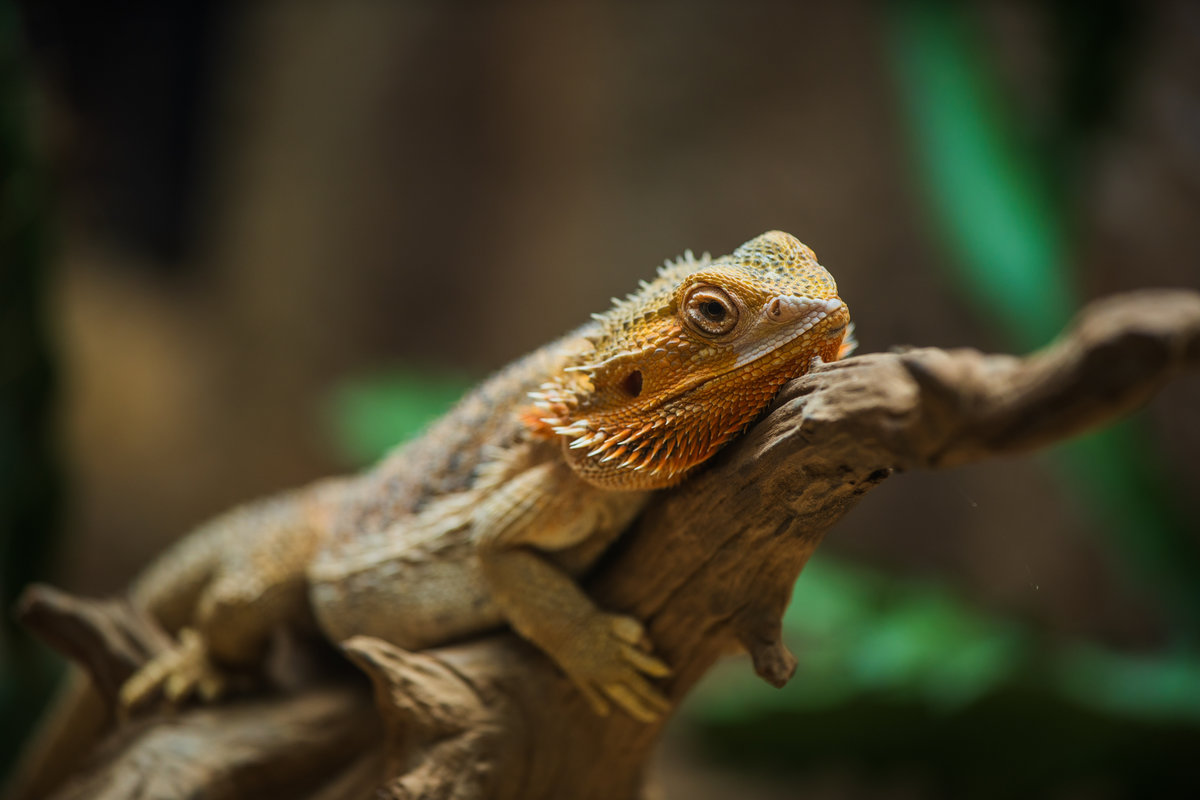
Bearded dragons are endlessly charming — curious, calm, and surprisingly personable for a reptile — but getting their diet right is one of the most important things you can do to keep them healthy. Feed them the wrong foods or the wrong proportions, and you may not notice the problem until it has become a serious health concern.
At Venetian Pet Hospital in Stockton, CA, our team is proud to care for the full range of pets our community loves, including reptiles. According to the American Veterinary Medical Association, an estimated 5.7 million U.S. households own at least one reptile, and bearded dragons have become one of the most popular choices. We are here to help you understand exactly what goes into a well-balanced beardie diet.
Understanding the Bearded Dragon as an Omnivore
Bearded dragons are omnivores, meaning they need both animal protein and plant matter to thrive. However, the ratio between these two food sources shifts significantly depending on your dragon’s age. Juveniles rely heavily on protein to support rapid growth, while adults shift toward a diet that is primarily plant-based. Getting this balance wrong in either direction can lead to nutritional deficiencies, obesity, or organ stress over time.
Understanding that your dragon’s nutritional needs will evolve throughout their life is the foundation of good bearded dragon care. What works for a hatchling is not the right approach for a three-year-old adult, and adjusting their diet as they grow is just as important as any other aspect of their husbandry.
What to Feed Juvenile Bearded Dragons
Young bearded dragons, generally those under 12 months of age, need a diet that is roughly 70% protein and 30% plant matter. This high-protein period supports the explosive growth juveniles experience in their first year of life. Feeder insects are the cornerstone of a juvenile’s diet, and the following are among the best options to offer:
- Crickets: a staple feeder insect that is widely available, nutritious, and well-accepted by most young dragons
- Dubia roaches: an excellent protein source with a favorable calcium-to-phosphorus ratio that many keepers prefer over crickets
- Hornworms: a softer, high-moisture insect that works well for variety and hydration
- Collard greens: one of the best leafy greens to introduce early, with a strong calcium profile and minimal oxalate content
- Mustard greens: another leafy green that pairs well with collard greens and adds dietary variety
All feeder insects should be gut-loaded before feeding, meaning they should be fed nutritious foods for at least 24 hours so your dragon benefits from those nutrients secondhand. Insects should also be dusted with a calcium supplement at most feedings to support proper bone development.
Variety matters even at this young stage. Rotating between insect types and greens helps ensure your dragon is receiving a broad spectrum of nutrients.
What to Feed Adult Bearded Dragons
Once your bearded dragon reaches adulthood, roughly 12 to 18 months of age, their diet should flip to approximately 70% plant matter and 30% protein. At this stage, overfeeding insects can contribute to obesity and fatty liver disease, so pulling back on the protein is an important shift that many owners overlook.
Vegetables and Greens
The bulk of an adult beardie’s plant-based diet should come from dark, leafy greens. Collard greens, mustard greens, dandelion greens, and turnip greens are all excellent choices. Squash, bell peppers, and snap peas can be offered as additions. Foods high in oxalates, such as spinach and beets, should be avoided or offered only rarely, as oxalates bind to calcium and can interfere with absorption over time.
Fruits
Fruits can be offered as occasional treats rather than daily staples. Blueberries, strawberries, papaya, and mango are generally safe in small quantities. Because fruit is high in natural sugar, overfeeding it can contribute to digestive upset and blood sugar fluctuations.
Insects for Adults
Adult dragons still need protein, just in smaller amounts. Crickets and dubia roaches remain good choices, offered a few times per week rather than daily. Mealworms can be given sparingly but should not be a primary feeder insect due to their high fat content.
Supplements and Hydration
Even a well-constructed diet often needs support from supplements. Calcium powder without vitamin D3 should be dusted on feeder insects several times per week, and a multivitamin supplement can be added once or twice per week. Vitamin D3 supports calcium absorption, but it is closely tied to proper UVB lighting — a topic worth discussing during your next exotic pet care visit.
Hydration is often underestimated in bearded dragon care. Offering a shallow water dish, misting your dragon lightly, or offering occasional warm baths can all help keep your beardie well-hydrated. Signs of dehydration include wrinkled skin and sunken eyes.
Foods to Avoid
Not everything in your produce drawer or bait shop is safe for a bearded dragon. Avocado, rhubarb, and onions are toxic and should never be offered. Wild-caught insects should be avoided entirely, as they may carry pesticides or parasites. Fireflies are especially dangerous and can be fatal to reptiles. If you are uncertain about a specific food, reaching out to a veterinarian before offering it is always the right call.
Visit Venetian Pet Hospital for Bearded Dragon Care in Stockton
Nutrition is just one piece of keeping a bearded dragon healthy, and the team at Venetian Pet Hospital is here to support you every step of the way. As a family-owned practice in Stockton, CA, we genuinely love caring for exotic animals, and our veterinary team brings a warm, knowledgeable approach to every appointment. Whether you have a hatchling you just brought home or an adult dragon who hasn’t seen a vet in a while, we welcome the opportunity to help.
We also offer nutritional counseling for pets of all kinds, including reptiles, and can help you build a feeding plan tailored to your dragon’s age, size, and health status. If you have questions about what your bearded dragon should be eating or want to schedule a wellness exam, please contact our team today.