OPEN MONDAY – FRIDAY 5:00pm to 9:00PM
Finding a veterinarian who actually knows how to treat a lizard is harder than it should be. Most general practices aren’t trained in reptile medicine, which means iguana and lizard owners in Stockton often drive far or go without the care their animal needs. Metabolic bone disease, respiratory infections, and parasitic infestations are all common in captive lizards — and every one of them gets worse without early intervention from a vet who understands reptile physiology.
At Venetian Pet Hospital, our team provides dedicated iguana, lizard, and reptile veterinary care in Stockton, CA for a wide range of species, from green iguanas and bearded dragons to chameleons, geckos, and monitors. We are a family-owned practice that genuinely loves what we do, and our exotic pet services are built around the specific health needs of reptiles — not adapted from a dog-and-cat model. According to the American Veterinary Medical Association, reptiles may suffer serious health consequences from improper diets, handling, or habitats, which is exactly why having the right vet matters.
Our dedicated team is here to provide urgent, high-quality care for your pets—because they’re family and deserve immediate attention when it matters most!
Lizards are not small dogs. Their immune systems, metabolic rates, and responses to illness are governed by temperature, UV exposure, and diet in ways that have no equivalent in mammal medicine. A lizard that looks sluggish may be hypothermic, calcium-deficient, or fighting a systemic infection — and the difference between those conditions requires diagnostics, not guesswork. Three conditions account for the majority of illness we see in captive iguanas and lizards in Stockton:
Metabolic bone disease develops when a lizard doesn’t receive adequate UVB lighting or calcium, preventing the body from properly regulating calcium and vitamin D3. It is the most common illness in captive green iguanas and bearded dragons. Signs appear within weeks of deficiency: soft or rubbery jaw, swollen limbs, tremors, lethargy, and difficulty walking. Caught early, metabolic bone disease responds well to dietary correction, UVB lighting upgrades, and calcium supplementation — but left untreated, it causes permanent skeletal damage.
Enclosure temperatures that drop too low, high humidity without proper ventilation, or poor sanitation create conditions where bacterial and fungal infections take hold quickly in lizards. Mouth rot (infectious stomatitis), skin abscesses, retained shed, and respiratory inflammation are among the most common infections we treat. Open-mouth breathing, mucus discharge, and discolored skin patches are warning signs that need prompt attention.
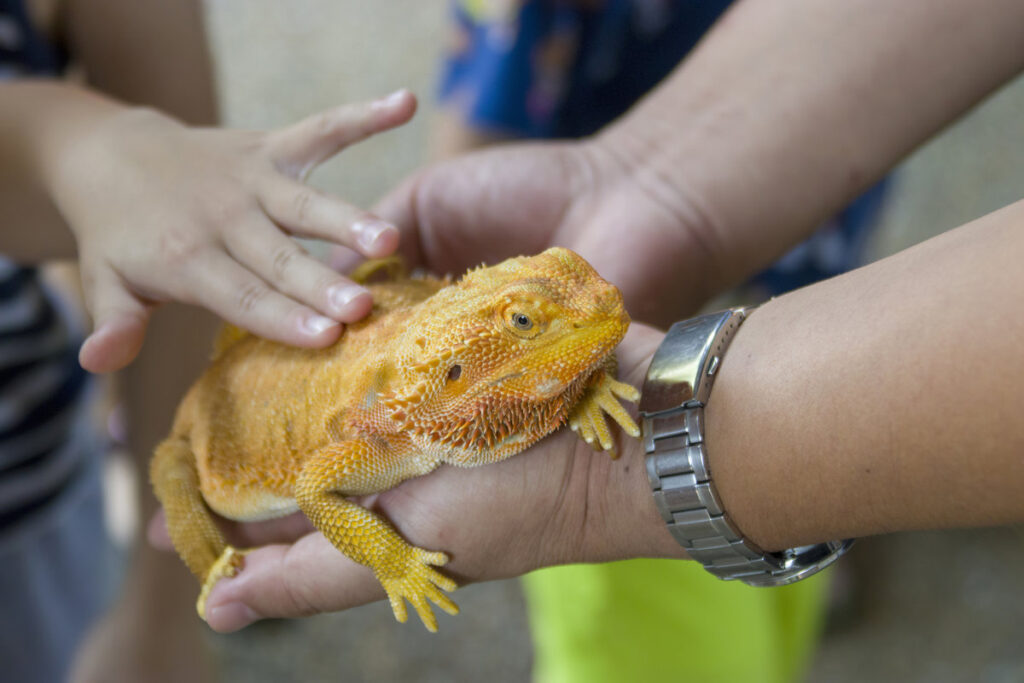
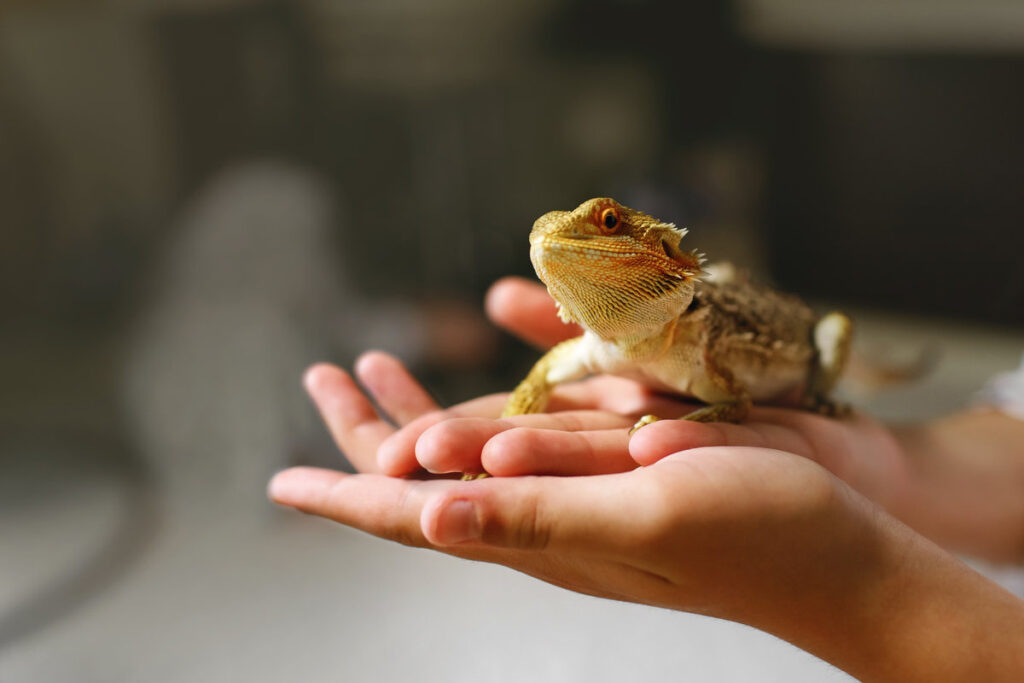
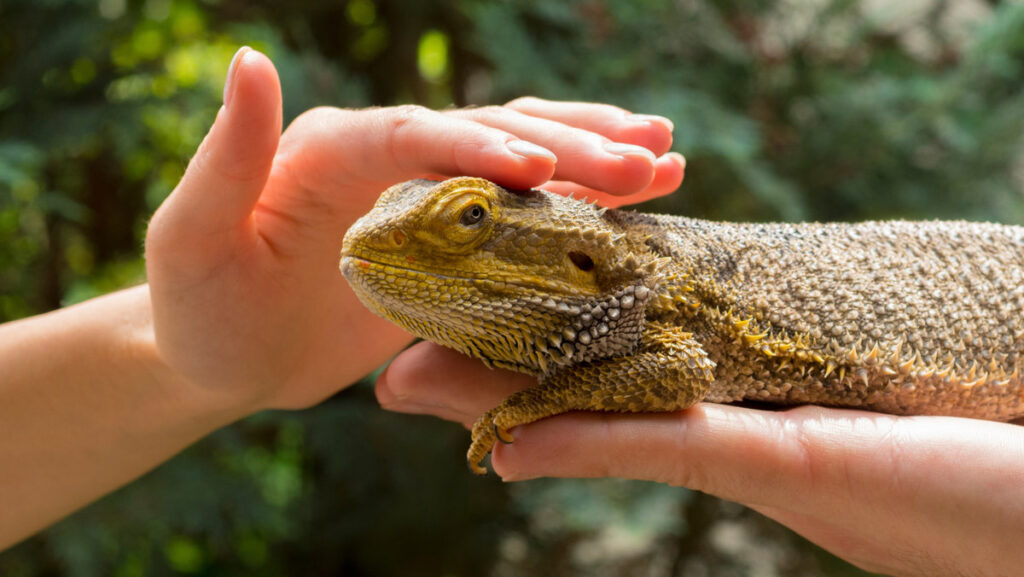
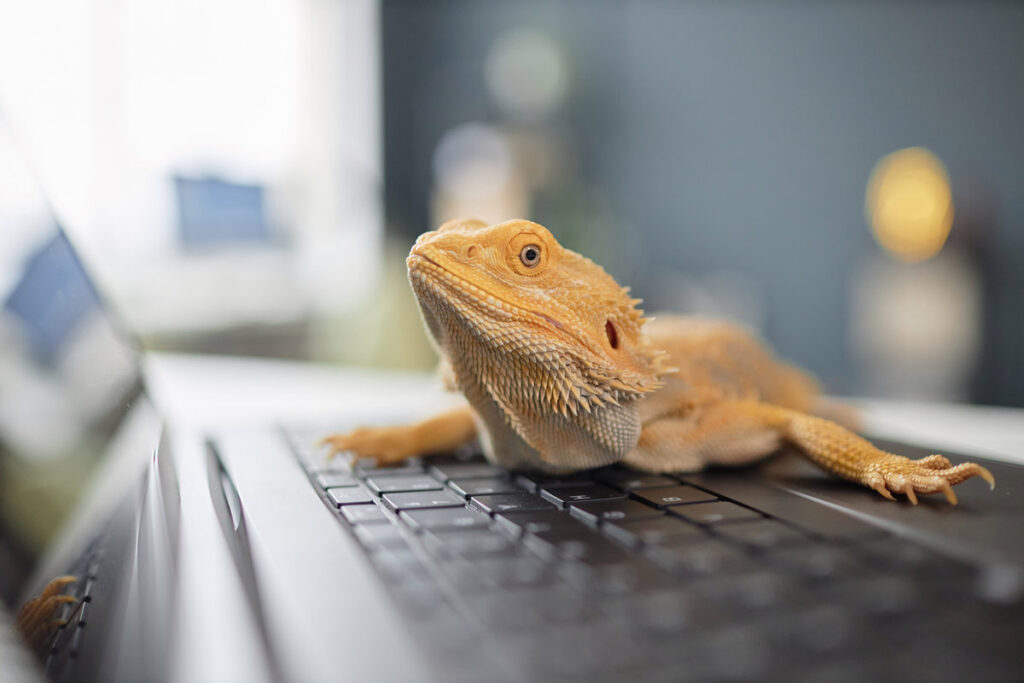
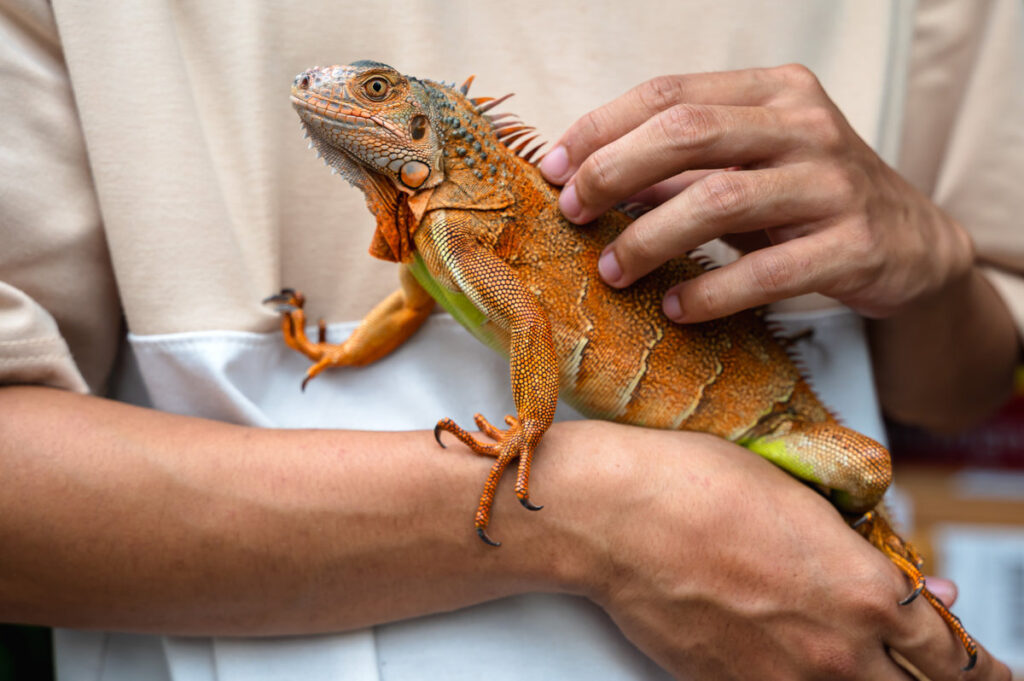
Our reptile patients include a wide range of species, each with distinct husbandry and health requirements. A few of the lizard species we regularly care for:
We also see snakes and provide small mammal care, making us a full-service exotic pet practice for Stockton households with multiple species.
Every lizard exam at Venetian Pet Hospital begins with a thorough physical examination — weight, body condition, mobility, oral cavity, and skin assessment — before any diagnostics are ordered. From there we select the right tools based on what the exam reveals:
| Diagnostic | What It Reveals |
|---|---|
| Blood testing (CBC + biochemistry) | Organ function, calcium levels, infection markers, anemia |
| Fecal analysis | Intestinal parasites including coccidia, protozoa, and worms |
| Radiology (X-ray) | Bone abnormalities, egg retention, internal masses, skeletal damage |
| Skin scraping | Mites, fungal infection, scale abnormalities |
| Microbiological culture | Bacterial or yeast overgrowth in infected tissue |
We treat conditions including metabolic bone disease, abscesses, dystocia, respiratory infection, parasitic infestation, and traumatic injury across all lizard species. Our radiology and full medical assessment services are available for all reptile patients.
Lizards hide illness well — by the time symptoms are obvious, the condition has often been progressing for weeks. Bring your lizard in if you notice any of the following:
If your lizard is showing any of these signs, don’t wait. Our urgent care team is available Monday through Friday evenings and can see reptile patients on short notice.
Reptile Vet Care in Stockton, CA
Your Lizard Deserves a Vet Who Gets It
From first wellness exams to urgent care, Venetian Pet Hospital is Stockton’s family-owned exotic pet practice built for reptiles.
1 Call or Book Online | 2 Bring Your Reptile In | 3 Exam + Diagnostics | 4 Personalized Treatment Plan |
My dog Aurora had mouth cancer. I found out and had such little time to schedule her surgery because it was so aggressive. I was referred to Dr. Sam by a friend. I live in Santa Barbara and made the trip up to Sacramento. I am still impressed how well everything went! She had to have almost half of her jaw removed. She is cancer free and looking amazing! Back to her puppy self. First picture is only 2 months after surgery! 2nd and 3rd are the day of. Dr. Sam saved my baby
- Hannah N.This Clinic would not hesitate to go beyond to help your pet. Our boy’s doctor Tyler is an amazing doctor and we are blessed to have him. Diamond was very ill needed emergency treatment /surgery and he received excellent care. We are so thankful for all the doctors surgeons did for our baby.
- Yliana T.Dr. Sam and the team went above and beyond to ensure my pet's safety and recovery. Highly recommended!
- Lisa P.I drove 95 miles to have Dr. Sam at Broadway Vet perform surgery on my kitten. The hospitality and professionalism demonstrated by the entire staff was second to none and I will be a return customer for all my future veterinary needs! My kitty bounced back so quickly because Dr. Sam is an expert in his field and knew just what needed to be done. Highly recommend Broadway Veterinary Hospital! Thanks, Dr. Sam!
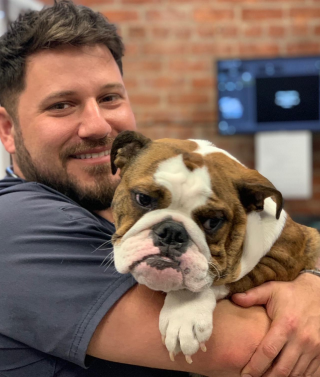
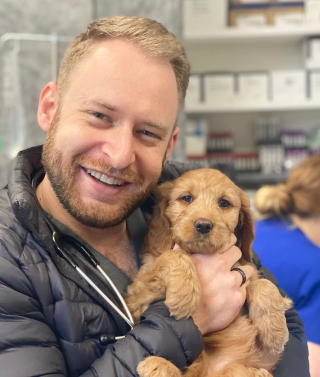
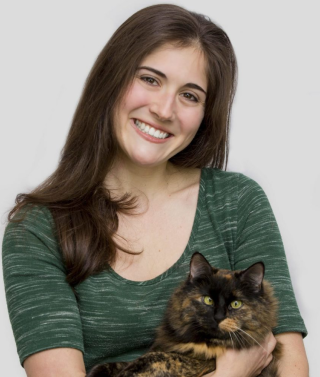
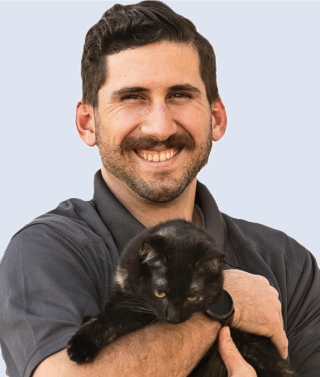
- Madison G.Venetian Pet Hospital is a family-owned veterinary practice in Stockton, CA that has built its exotic pet program around the actual needs of reptile owners. Our veterinary team includes Dr. Pietro Catini, who brings hands-on experience in soft tissue surgery and small animal care to every reptile case. We see iguanas, bearded dragons, geckos, chameleons, skinks, and a wide range of other lizard species — and we treat every patient like the family member they are.
Whether your iguana is due for an annual wellness exam, your bearded dragon has stopped eating, or you noticed something unusual on your gecko, we are here for it. Contact us today to book an appointment at our Stockton location.
We use cookies to improve your experience on our site. By using our site, you consent to cookies.
Manage your cookie preferences below:
Essential cookies enable basic functions and are necessary for the proper function of the website.
CloudFlare provides web performance and security solutions, enhancing site speed and protecting against threats.
Service URL: developers.cloudflare.com (opens in a new window)
These cookies are needed for adding comments on this website.
Google reCAPTCHA helps protect websites from spam and abuse by verifying user interactions through challenges.
Google Tag Manager simplifies the management of marketing tags on your website without code changes.
Statistics cookies collect information anonymously. This information helps us understand how visitors use our website.
Google Analytics is a powerful tool that tracks and analyzes website traffic for informed marketing decisions.
Service URL: policies.google.com (opens in a new window)
Hit enter to search or ESC to close