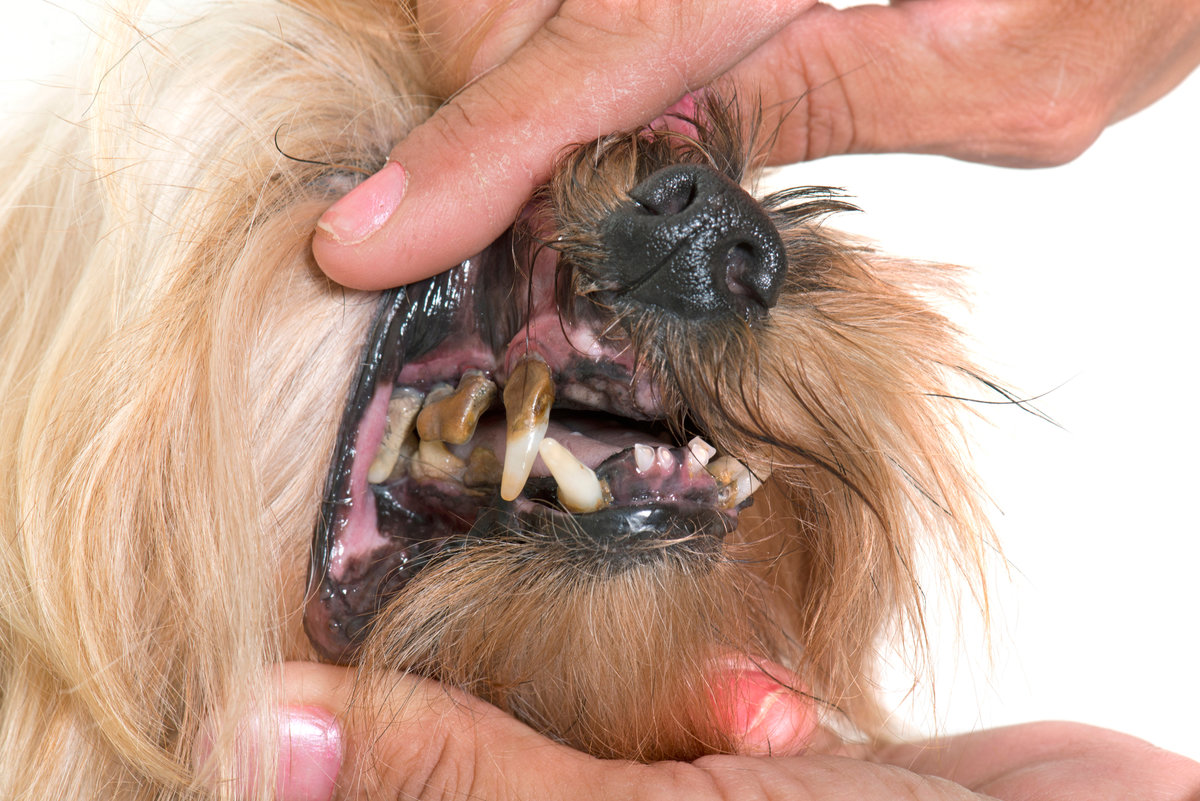
By the time a dog or cat reaches their senior years, there is a very good chance that dental disease has already taken hold, and many owners have no idea. Pets rarely show obvious signs of mouth pain, and because the damage develops gradually beneath the gum line, it often goes unnoticed until it has become a serious problem.
At Venetian Pet Hospital in Stockton, we prioritize senior pet wellness as a cornerstone of keeping aging dogs and cats comfortable and healthy. The American Veterinary Medical Association notes that dental disease is among the most prevalent health concerns affecting companion animals, with the majority of pets showing signs by middle age and the problem compounding significantly as they get older. Understanding what dental disease looks like in senior pets, and what can be done about it, is one of the most impactful things an owner can do for their animal’s quality of life.
Why Senior Pets Are at Greater Risk
Dental disease does not appear overnight. It builds over years of plaque accumulation, hardening into tartar, and gradually advancing into the tissue and bone that support the teeth. By the time a pet reaches senior status, the cumulative effects of this process are often substantial. Periodontal disease, which involves inflammation and deterioration of the structures around the teeth, becomes increasingly common with age and can cause significant discomfort even when a pet shows no outward signs of pain.
The Whole-Body Connection
What makes dental disease particularly serious in older pets is its relationship to systemic health. Bacteria from the mouth can enter the bloodstream and affect major organs, including the heart and kidneys. Senior pets already face an elevated risk for organ-related conditions, and untreated dental disease can accelerate that decline. Recognizing dental health as part of overall health, rather than a separate concern, is essential when caring for an aging pet.
Signs of Dental Disease in Older Dogs and Cats
Because pets instinctively mask discomfort, dental disease can be well advanced before behavioral changes become noticeable. Owners who know what to watch for are in a much better position to catch problems early and get their pet the care they need.
Here are some of the most common signs that a senior pet may be dealing with dental disease:
- Bad breath: Persistent, strong-smelling breath is one of the earliest and most consistent signs of bacterial buildup and gum disease.
- Reluctance to eat: A pet that drops food, chews only on one side, or seems hesitant at mealtime may be experiencing oral pain.
- Drooling: Excessive drooling, particularly when it is new behavior, can indicate gum irritation or an abscessed tooth.
- Facial swelling: Swelling below the eye or along the jaw often points to a tooth root abscess, which requires prompt attention.
- Loose or missing teeth: In senior pets, tooth loss is not normal aging but a sign that disease has progressed significantly.
- Pawing at the mouth: When a pet repeatedly paws at their face or rubs their mouth on surfaces, it often signals oral discomfort.
If you notice any of these signs in your senior dog or cat, a dental evaluation is the right next step.
Prevention at Home
Daily tooth brushing remains the most effective way to slow plaque accumulation between professional cleanings. While it takes patience to establish the habit, most pets will eventually tolerate brushing if introduced gradually. Using a pet-safe toothpaste, never a human formula, is essential. Enzymatic toothpastes are particularly effective because they continue working after the brush is put away.
For pets that resist brushing, dental chews, water additives, and specially formulated dental diets can offer supplemental support. These options do not replace professional care, but they can meaningfully reduce the rate at which tartar builds between visits. Our team is happy to recommend products that are appropriate for your specific pet.
Professional Dental Care for Senior Pets
Home care alone cannot address existing tartar or disease beneath the gum line. Professional dental cleanings performed under general anesthesia allow for a thorough cleaning of all tooth surfaces, probing for periodontal pockets, dental X-rays to assess the roots and bone, and extractions if teeth are too damaged to save. For senior pets, pre-anesthetic bloodwork and careful anesthesia monitoring are standard parts of the process, helping to ensure each patient is handled as safely as possible.
Some owners feel hesitant about anesthesia in older pets, which is completely understandable. The reality is that untreated dental disease causes chronic pain and can shorten a pet’s life. When approached with proper preparation and monitoring, a dental procedure can dramatically improve a senior pet’s comfort and overall health. Our team takes every precaution to make the experience as safe as possible for aging patients.
Venetian Pet Hospital Is Here for Your Senior Pet’s Smile
Caring for a senior pet’s teeth is one of the most direct ways to protect their comfort, their health, and the time you have with them. At Venetian Pet Hospital, our veterinary team brings genuine dedication to every patient, with a warm and thorough approach to dental care that puts both pets and their owners at ease. Dr. Hanh Do, Dr. Sam Varon, Dr. Tracey Glieberman, and Dr. Pietro Catini each share a commitment to honest, compassionate medicine that reflects the family-owned spirit of our Stockton practice.
Whether your senior pet is overdue for a dental cleaning or you have noticed changes that concern you, we encourage you to take action sooner rather than later. Reach out to our team today through our contact form to schedule a dental evaluation and give your pet the care their smile deserves.