Your dog just had orthopedic surgery, and now the harder part begins: keeping a determined, pain-medicated dog calm, still, and on the path to a full recovery. The weeks that follow surgery are just as important as the procedure itself, and what happens at home during that time can meaningfully shape the outcome.
At Venetian Pet Hospital in Stockton, our team regularly guides pet owners through dog surgery aftercare, including the orthopedic procedures that tend to require the most structured recovery plans. Research published through the National Institutes of Health confirms that physical rehabilitation after orthopedic surgery plays a critical role in restoring function, and that surgery alone may not return an animal to prior activity levels without proper post-operative support. The good news is that most of that support happens right at home, with guidance from your veterinary team.
The First Days Matter Most
The initial 72 hours after orthopedic surgery are when the risk of complications is highest and when your dog’s body begins the critical early stages of healing. Pain medication can make dogs feel more capable than they actually are, which is one of the more common pitfalls owners encounter. A dog that seems comfortable may still be at serious risk of re-injury if allowed to move too freely.
Setting Up a Recovery Space
A calm, confined space is one of the most important things you can provide. A crate or a small, gated room limits the temptation to jump, spin, or pace, all of which can stress a healing incision or surgical repair. The space should be on a single level to eliminate any need for stair navigation, and non-slip flooring or mats will help your dog move with more stability when they do get up. Keeping the environment quiet and low-stimulation also reduces the chance of sudden excited movements.
Managing the Incision Site
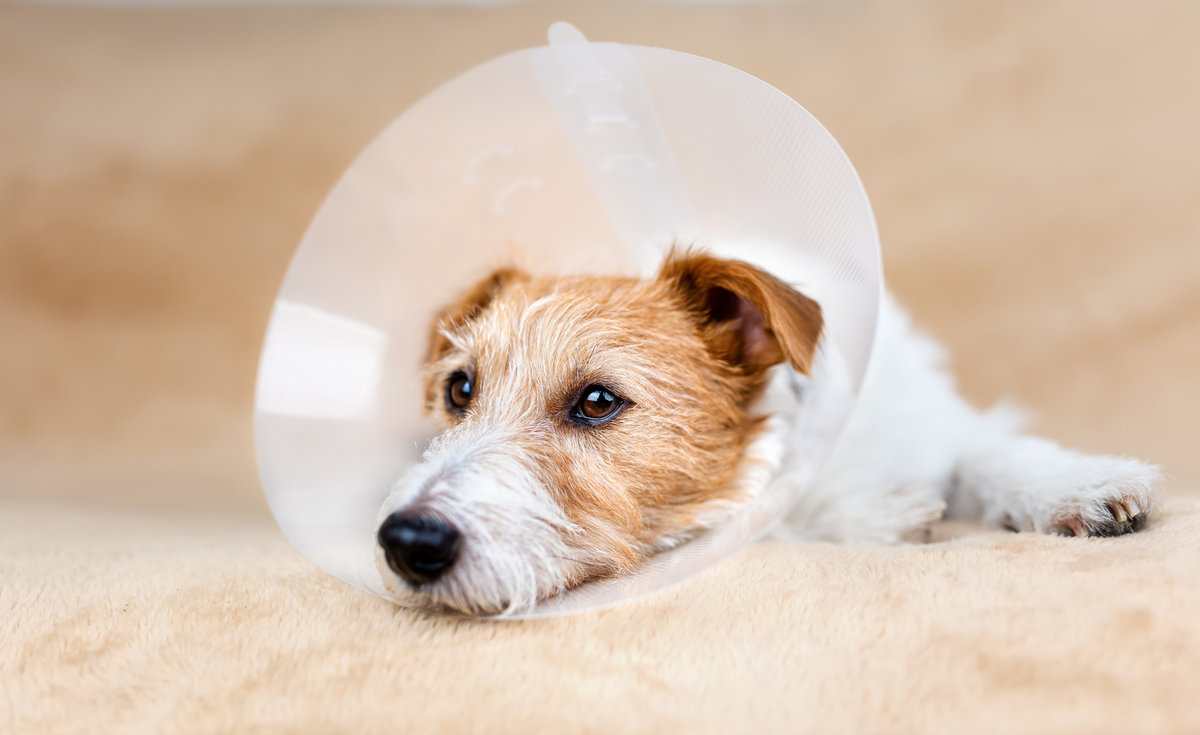
Check the incision at least once daily. Some mild swelling and bruising in the first few days is expected, but warmth at the site, discharge, or any opening of the wound warrants a call to your veterinarian right away. An Elizabethan collar, sometimes called an e-collar, is essential for preventing licking, which introduces bacteria and disrupts healing. Most dogs resist the collar at first, but consistent use protects the investment of the entire surgical procedure.
Exercise Restrictions and Leash Walks
The phrase “restricted activity” can feel vague, but for most orthopedic recoveries it means exactly what it sounds like: no running, no jumping, no stairs, and no off-leash time for a significant portion of the recovery. Short, slow leash walks are typically introduced gradually and only as your veterinarian approves. The purpose of these early walks is not exercise but controlled, gentle weight bearing that encourages proper healing and circulation.
It can be genuinely difficult to limit a high-energy dog, especially as they begin to feel better. Puzzle feeders, calm chew toys, and short training sessions that don’t require movement can keep a recovering dog mentally engaged without putting physical stress on the repair site. Patience during this phase pays off in long-term function and comfort.
Pain Management and Medication
Following the prescribed medication schedule exactly is not optional. Anti-inflammatory medications and pain relievers reduce discomfort and control swelling, which both support healing. Stopping medications early because a dog “seems fine” is one of the most common reasons recovery stalls or complications develop. If your dog refuses medication, contact your veterinary team for alternatives rather than skipping doses.
Here are some important reminders for managing your dog’s medications during recovery:
- Follow the schedule closely: Administer medications at the intervals prescribed, even if your dog seems comfortable and pain-free.
- Never use human pain relievers: Medications like ibuprofen and acetaminophen are toxic to dogs and should never be used as substitutes.
- Watch for side effects: Vomiting, diarrhea, loss of appetite, or unusual lethargy after starting a new medication should be reported to your vet promptly.
- Store medications properly: Keep all prescriptions out of reach and in the conditions specified, such as refrigerated or at room temperature.
If at any point your dog seems to be in unmanaged pain, do not wait for the next scheduled appointment. Reach out to your veterinary team right away.
Follow-Up Appointments and Rehabilitation
Recheck appointments are built into every orthopedic recovery plan for good reason. X-rays and physical evaluations allow your veterinarian to confirm that healing is progressing as expected and to adjust activity restrictions accordingly. Skipping these appointments, even when a dog seems to be doing well, removes the ability to catch subtle complications before they become significant problems.
Some dogs also benefit from physical rehabilitation as part of their recovery plan. Structured rehabilitation can help restore muscle mass, improve range of motion, and support proper weight bearing, all of which contribute to a better long-term outcome. Your veterinary team can advise on whether rehabilitation is appropriate for your dog’s specific procedure and condition.
Venetian Pet Hospital Is Here to Support Your Dog’s Recovery
Caring for a dog after orthopedic surgery takes consistency, attentiveness, and the right support from a veterinary team that knows your pet. At Venetian Pet Hospital, we work closely with pet owners throughout every stage of recovery, from the initial wellness and health screening that informs surgical planning to the post-operative follow-up appointments that confirm healing is on track. Our Stockton practice is family-owned and built on the belief that every animal deserves thorough, compassionate care.
If your dog is preparing for orthopedic surgery, or if you have questions about a current recovery, our team is ready to help. We encourage you to reach out through our contact form to schedule an appointment or discuss your dog’s care plan with us directly.