
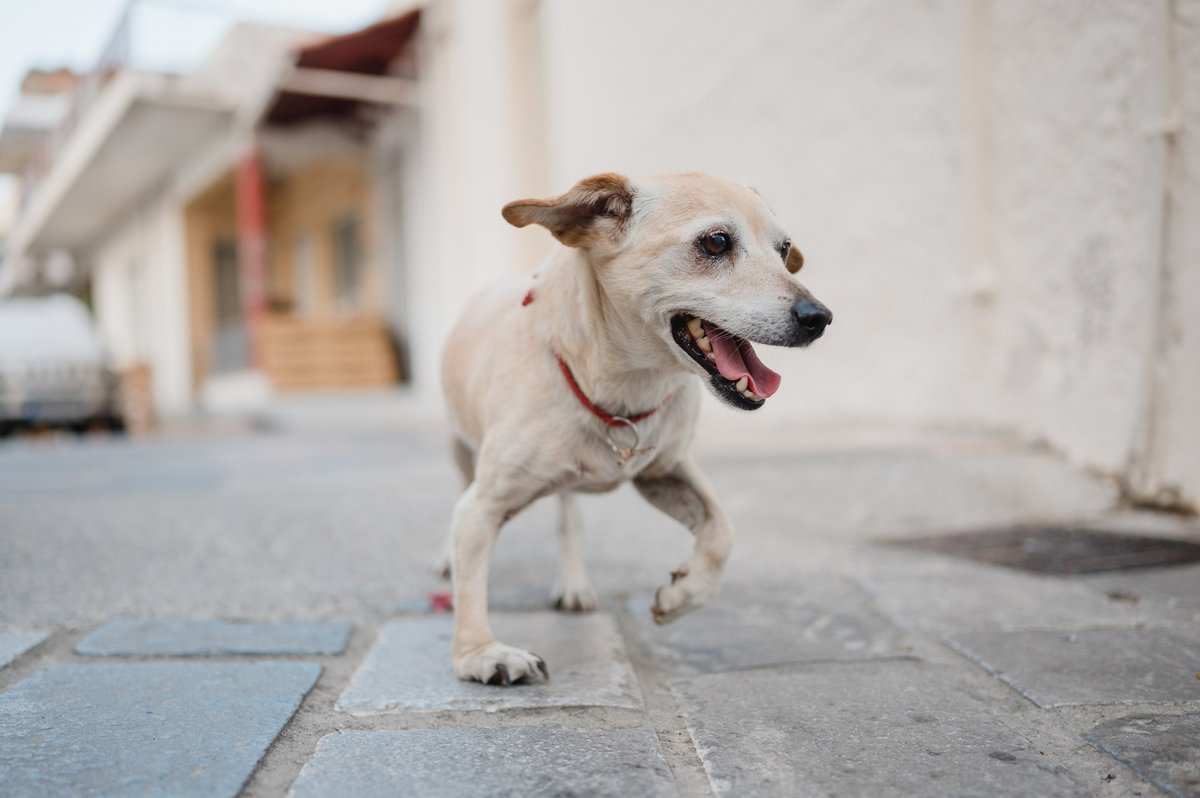
One day your dog is running laps around the yard, and the next, they’re holding a back leg up and refusing to put weight on it. A cruciate ligament tear can strike with very little warning, and for many pet owners, it’s a confusing and emotional moment that comes with a lot of unanswered questions.
The good news is that dogs who receive the right care after a cruciate injury can often return to a comfortable, active life. At Venetian Pet Hospital in Stockton, CA, our team is here to help you understand what’s happening with your dog’s knee, what your options are, and how we can work together to get your pup back on all four paws.
What Is a Cruciate Ligament Tear?
The cranial cruciate ligament, often called the CCL, is a band of tissue inside your dog’s knee joint that connects the thigh bone to the shin bone and keeps the joint stable during movement. According to the Journal of the American Veterinary Medical Association, CCL rupture is among the most common orthopedic injuries in dogs and is the leading cause of hind leg lameness. Unlike the sudden sports injuries often seen in people, most CCL tears in dogs develop gradually over time as the ligament weakens from everyday wear and stress before finally giving way.
Some dogs may experience a partial tear first, showing occasional lameness that seems to come and go. Others experience a full rupture that causes sudden, significant limping. Either way, a torn CCL is painful, and without treatment, the instability in the joint leads to progressive arthritis that worsens over time.
Signs Your Dog May Have a CCL Injury
CCL injuries don’t always announce themselves dramatically, which is one reason they can go unnoticed at first. Staying alert to the following signs may help you catch the problem early:
- Sudden hind leg lameness: your dog stops putting full weight on one back leg, especially after play or exercise
- Stiffness after rest: your dog gets up slowly and takes a few steps before the leg loosens up
- Swelling around the knee: the inside of the knee joint may feel thicker or firmer than usual
- Muscle loss in the back leg: over time, the thigh muscles on the affected leg may begin to shrink from reduced use
- A clicking or popping sound: some dogs have an audible sound when the knee joint moves
If you notice any of these signs, scheduling an appointment with your veterinarian as soon as possible is the right move. Early diagnosis gives your dog more options and prevents the joint from deteriorating further.
How Is a CCL Tear Diagnosed?
A veterinarian will typically diagnose a CCL tear through a combination of a physical exam and imaging. During the exam, a technique called the “drawer test” is used to check for abnormal forward movement of the shin bone relative to the thigh bone. Radiology and X-rays can help identify joint swelling, signs of arthritis, or bone changes that support the diagnosis, and in some cases, additional imaging may be recommended for a clearer picture.
A thorough diagnosis is an important part of building the right treatment plan, and our team takes the time to evaluate each dog as an individual.
When Is Orthopedic Surgery the Right Choice?
For most dogs, surgery is the recommended path forward after a CCL rupture. Without surgical stabilization, the knee joint continues to shift abnormally with every step, accelerating joint damage and causing chronic pain. Conservative management, such as rest and anti-inflammatory medications, may be appropriate for very small dogs or those who are not good surgical candidates, but for medium to large breeds, surgery typically offers the best long-term outcome.
TPLO Surgery
The tibial plateau leveling osteotomy, or TPLO, is the most widely performed surgery for CCL rupture in dogs. It works by changing the angle of the tibial plateau so the joint becomes stable without relying on the ligament. Most dogs experience a significant improvement in comfort and function after recovery, and it is particularly well-suited for active or larger-breed dogs.
Other Surgical Approaches
Other procedures, such as the lateral suture technique, may be appropriate for smaller or less active dogs. Your veterinarian will discuss which approach is best suited for your dog’s size, age, activity level, and the extent of the injury. Dr. Sam Varon has strong interests in orthopedic surgery, including TPLOs and fracture repair, and brings a high level of surgical skill to these cases.
Recovery and What to Expect
Recovery from CCL surgery requires patience, but most dogs do very well with the right support at home. Rest and restricted activity are critical during the first several weeks, followed by a gradual return to normal movement. Physical rehabilitation, weight management, and nutritional counseling can all play a role in helping your dog heal and protecting the joint over the long term.
It’s also worth noting that dogs who tear one CCL have a higher likelihood of eventually injuring the other knee, so ongoing wellness monitoring through regular preventive care visits is a smart step for any dog who has gone through this experience.
Contact Venetian Pet Hospital for Orthopedic Care in Stockton
When your dog is limping, you want answers fast and care you can trust. At Venetian Pet Hospital, we are a family-owned practice in Stockton, CA where every patient is treated with genuine attention and compassion. Our veterinary team, which includes doctors with focused interests in orthopedic surgery, is equipped to evaluate, diagnose, and treat CCL injuries with skill and care. We also offer health screening services that can help identify musculoskeletal concerns before they become bigger problems.
Your dog counts on you, and we are here to help you make the best possible decisions for their health and comfort. If your dog is showing signs of knee pain or lameness, please don’t wait. Contact our team to schedule an appointment and let us take a closer look.