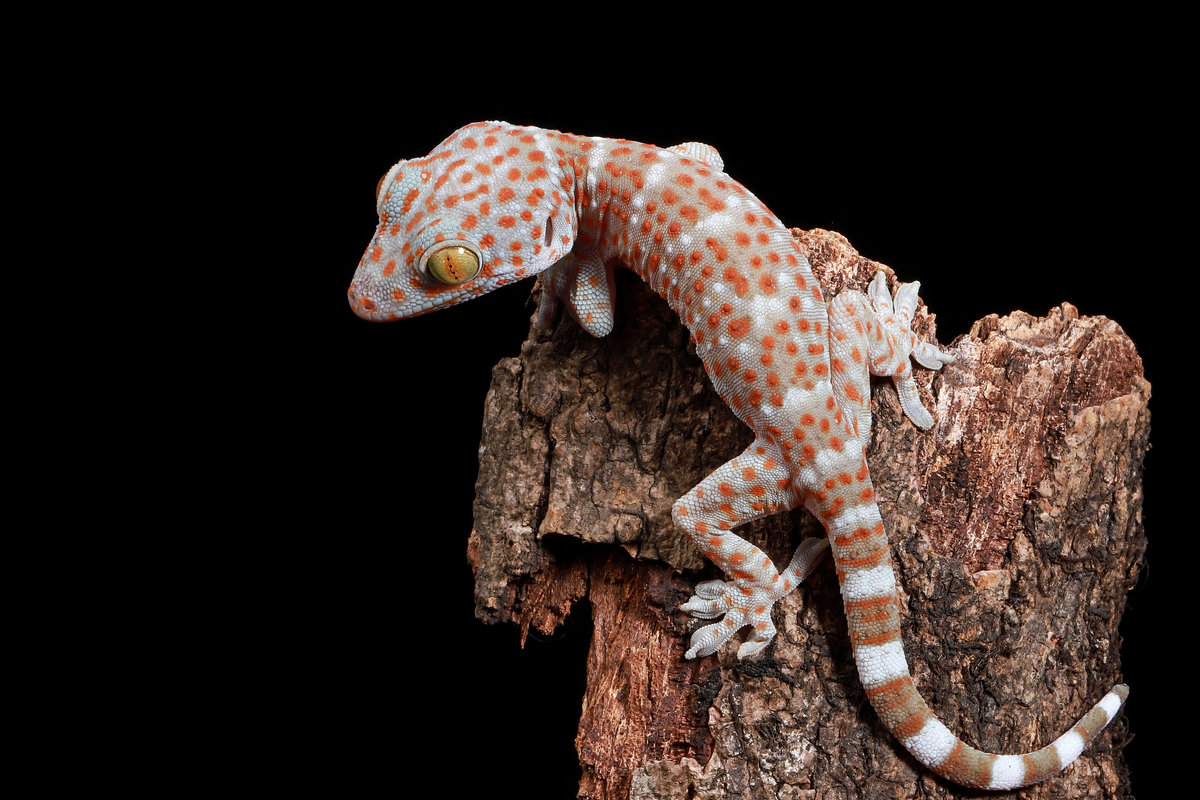
Reptiles are fascinating companions, stoic by nature and often expert at hiding illness until a problem has quietly advanced. By the time a lizard, tortoise, or snake shows visible signs of distress, the underlying issue may already be serious, which is why prevention and early awareness are the most powerful tools a reptile owner can have.
At Venetian Pet Hospital in Stockton, our team sees a wide range of exotic pets, including reptiles with entirely preventable health conditions. According to the American Veterinary Medical Association, millions of households across the country keep reptiles as pets, and yet veterinary visits for these animals remain far less frequent than they are for dogs and cats. Whether you have a bearded dragon, a ball python, or a tortoise, understanding the most common health issues they face can make all the difference.
Metabolic Bone Disease
Metabolic bone disease, or MBD, is one of the most frequently seen conditions in captive reptiles, particularly in lizards. It develops when animals do not receive adequate calcium, vitamin D3, or proper UVB lighting. Without the right combination of nutrients and light, bones weaken over time and may become soft or deformed.
Signs and Prevention
The most common signs include trembling limbs, a rubbery jaw, difficulty moving, and skeletal deformities. Prevention comes down to replicating a reptile’s natural environment as closely as possible. A diet dusted with calcium supplements, a high-quality UVB bulb replaced on schedule, and routine wellness exams are the cornerstones of MBD prevention. If you notice any of the signs above, an exam sooner rather than later offers the best chance of managing the condition effectively.
Respiratory Infections
Respiratory infections are especially common in snakes and can affect lizards and tortoises as well. These infections are usually tied to improper husbandry, primarily enclosures that are too cold, too damp, or poorly ventilated. A compromised immune system from chronic stress or poor nutrition leaves reptiles even more susceptible.
What to Watch For
Wheezing, open-mouth breathing, mucus around the nose or mouth, and lethargy are all warning signs. Respiratory infections can range from mild to life-threatening depending on how long they go untreated. Correcting enclosure temperatures and humidity levels goes a long way toward prevention, and a veterinarian can prescribe the appropriate treatment when an infection does occur.
Parasites
Both internal and external parasites are a reality for many reptiles, particularly those that were wild-caught or purchased from less regulated sources. Mites are the most common external parasite and can be spotted as tiny moving specks on the skin or inside the enclosure. Internally, roundworms, pinworms, and other parasites may go undetected for months.
Here are some of the most common signs that a reptile may be dealing with parasites:
- Weight loss: A reptile that refuses food or loses weight despite eating may have an internal parasite burden.
- Visible mites: Small dark or red specks on the skin, particularly around the eyes and vent area, point to mite infestation.
- Abnormal droppings: Loose, bloody, or unusually foul-smelling waste can indicate internal parasites.
- Lethargy: Chronic fatigue or unusual inactivity is often one of the first signs something is wrong internally.
- Scratching or soaking: Reptiles infested with mites often soak excessively or rub themselves against surfaces.
Routine fecal testing during wellness exams makes it far easier to catch parasites before they escalate. Quarantining any new reptile before introducing it to an existing collection is also a simple, effective precaution.
Dysecdysis (Abnormal Shedding)
Shedding, or ecdysis, is a normal process, but when it goes wrong it can cause serious complications. Dysecdysis describes incomplete or retained shed, and it most often results from low humidity, dehydration, or nutritional deficiencies. In snakes, retained eye caps are a particular concern because they can lead to permanent vision damage if not addressed. In lizards, retained shed on toes can cut off circulation and result in tissue loss.
Maintaining proper humidity levels in the enclosure, providing a rough surface or humid hide box for reptiles to rub against, and offering fresh water consistently are the primary preventive measures. If a reptile struggles through multiple shedding cycles, a veterinary evaluation can identify any underlying nutritional or environmental issues driving the problem.
Stomatitis (Mouth Rot)
Mouth rot is a bacterial infection of the oral tissue and is seen most commonly in snakes but can occur in any reptile. It typically begins with small amounts of redness or mucus in the mouth and can progress to significant tissue destruction if ignored. Stress, injury, poor husbandry, and a weakened immune system are the most common contributors.
Keeping enclosures clean, minimizing handling during times of stress, and checking a reptile’s mouth periodically for any redness, swelling, or unusual discharge all support prevention. Mouth rot responds well to treatment when caught early, making routine monitoring a smart habit.
Venetian Pet Hospital Is Here for Your Reptile
Reptile care requires a veterinarian who understands the unique needs of these animals, from their husbandry requirements to the ways they mask illness. At Venetian Pet Hospital, our veterinary team brings genuine care and broad knowledge to every exotic patient that walks through our doors. We provide thorough wellness and health screening services designed to catch problems early, before they become serious.
Whether your reptile is due for a routine check-up or you have noticed something that concerns you, we are here to help. Our Stockton practice offers a welcoming, family-oriented environment where every pet is treated with the same attentiveness we would give our own. Reach out today by visiting our contact form to schedule an appointment for your reptile.