Small, furry companions bring immense joy to your home, but they also come with unique health requirements that differ from traditional pets. Rabbits, ferrets, guinea pigs, and other pocket pets may seem low-maintenance, but they need specialized care to live long, healthy lives. Many pet parents discover too late that their small mammal needs more than just food and water to stay happy and healthy.
At Venetian Pet Hospital, we provide comprehensive exotic pet care for all types of small mammals. Our team knows these little creatures inside and out, and we’re here to help you give your pet the best possible life. From nutrition to preventive care, we make sure your exotic companion gets everything they need to thrive.
What Makes Exotic Pet Health Care Different
Small mammals have health needs that cats and dogs don’t share. Their bodies work differently, they hide illness more effectively, and they need specific diets to stay healthy. You can’t treat a rabbit like a tiny dog or expect a ferret to thrive on generic pet food. According to the American Veterinary Medical Association, approximately 10.6 percent of U.S. households own specialty and exotic pets, yet many owners remain unaware of the unique care requirements of these pets.
These animals evolved as prey species, which means they mask symptoms until they’re very sick. By the time you notice something’s wrong, the problem may be serious. Regular wellness visits catch issues early, before they become emergencies. We recommend checkups every six months for most small mammals, as their shorter lifespans mean health problems develop faster than in larger pets.
Nutritional Needs for Your Small Mammal
Rabbits need a diet based on unlimited grass hay, which keeps their constantly growing teeth worn down and their digestive system moving. Fresh vegetables should make up about 15% of their diet, while pellets serve as a supplement rather than the main course. Many rabbit health problems stem from poor nutrition, including dental disease and gastrointestinal stasis.
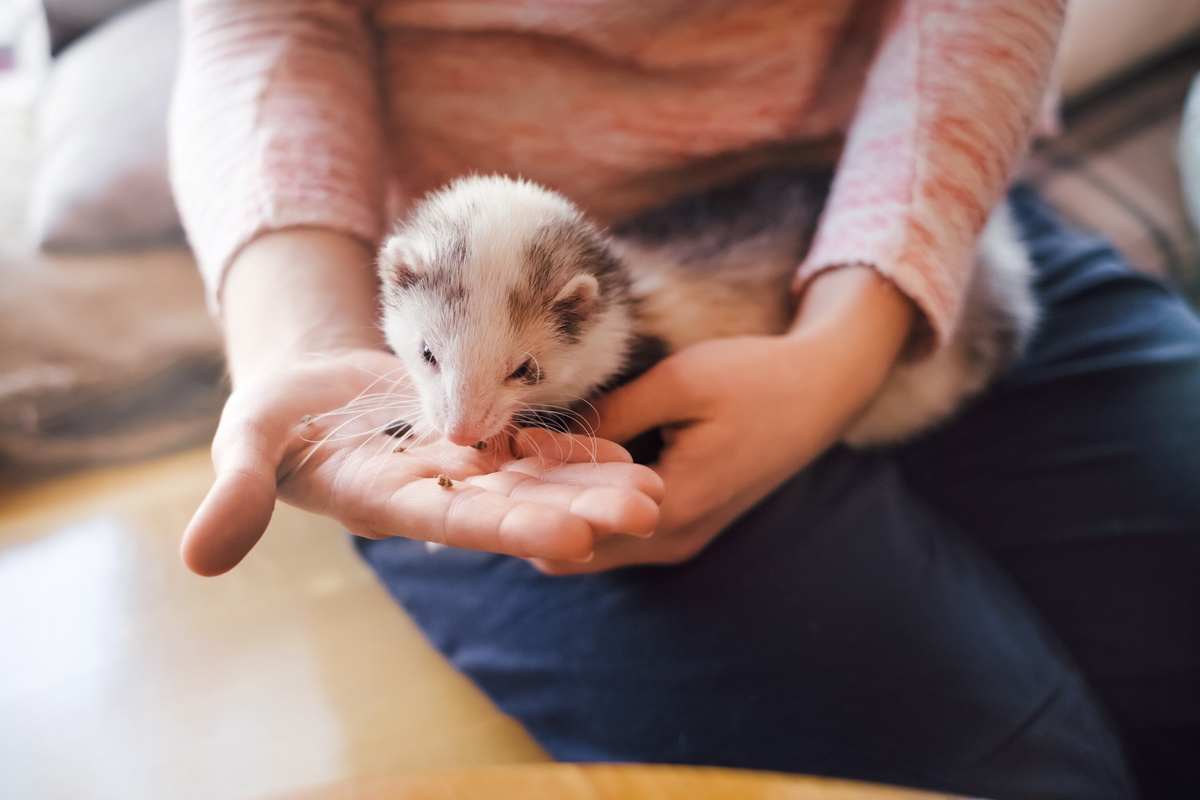
Ferrets are obligate carnivores who need high-quality protein and fat. Their short digestive tracts process food quickly, so they need frequent small meals throughout the day. Unlike rabbits, ferrets can’t digest plant matter well, so stick to meat-based foods designed for their unique needs.
Guinea pigs, hamsters, and gerbils each have their own dietary requirements. Guinea pigs need vitamin C in their diet daily since they can’t produce it themselves. Hamsters are omnivores who benefit from a varied diet of seeds, grains, and occasional protein. We can help you create the perfect meal plan for your specific pet.
Common Health Problems in Exotic Pets
Dental disease affects many small mammals, especially those with continuously growing teeth. Rabbits, guinea pigs, and chinchillas all face this challenge. Without proper wear from hay and chewing, teeth can grow too long or develop sharp points that cut the mouth. You might notice drooling, weight loss, or reluctance to eat.
Respiratory infections spread quickly in small mammals. Sneezing, nasal or ocular discharge, or labored breathing require immediate attention. These infections can turn serious fast, so don’t wait to seek care.
Digestive issues range from simple upset stomachs to life-threatening blockages. If your pet stops eating or producing droppings, you need to act quickly. Gastrointestinal stasis in rabbits can be fatal within hours if left untreated.
Preventive Care Keeps Your Pet Healthy
During your pet’s wellness visits, we check their teeth, listen to their heart and lungs, feel their abdomen, and assess their overall condition. We also weigh them, since weight changes often signal health issues.
Spaying or neutering prevents reproductive cancers and behavioral problems. Female rabbits face incredibly high rates of uterine cancer if not spayed. Male ferrets develop health problems from hormones if not neutered. These procedures also make your pet easier to handle and less aggressive.
Parasite prevention matters for indoor pets, too. Fleas, mites, and internal parasites can affect small mammals. We’ll recommend the right preventive care based on your pet’s species and lifestyle. Some parasites spread between species, so protecting one pet helps safeguard your entire household.
Creating the Right Environment
Housing affects your exotic pet’s health more than most people realize. Small cages lead to obesity, boredom, and behavioral problems. Rabbits need space to hop and run. Ferrets require room to play and explore. Even tiny hamsters benefit from larger enclosures with enrichment activities.
Temperature control keeps your pet comfortable and healthy. Most small mammals handle cold better than heat, but extreme temperatures stress their bodies. Keep their living space between 60 and 75 degrees, away from drafts and direct sunlight.
Enrichment prevents boredom and keeps your pet mentally sharp. Provide appropriate toys, hiding spots, and activities. Rabbits love tunnels and boxes to explore. Ferrets enjoy climbing and digging. Nutritional counseling helps you choose the right treats for training and bonding.
Get Expert Care for Your Exotic Pet at Venetian Pet Hospital
Your small mammal deserves the same quality care as any other family member. We’ve built our practice around providing exceptional service for all types of pets, including the little ones who need special attention. Our family-owned practice combines decades of experience with a genuine love for animals of all sizes.
Whether you’re bringing home your first rabbit or you’ve cared for ferrets for years, we’re here to help. Our Stockton team makes exotic pet care stress-free and straightforward for both you and your pet. Contact us today to schedule your small mammal’s wellness visit.