If your flat-faced companion sounds like a tiny chainsaw every time they nap or turns into a panting mess after a short walk around the block, you are not alone. Breeds like French Bulldogs, English Bulldogs, Pugs, and Boston Terriers are beloved for their smushed faces and big personalities, but that adorable facial structure can come with real breathing challenges that affect their comfort, energy, and overall quality of life.
At Venetian Pet Hospital in Stockton, CA, we provide surgical care designed to help brachycephalic pets breathe easier and live fuller lives. Our team has hands-on experience with the specific procedures these short-nosed breeds need, and we are here to walk you through every step of the process with compassion, clarity, and a genuine love for your four-legged family member.
Brachycephalic surgery in Stockton, CA helps improve breathing and comfort for short-nosed breeds with specialized surgical care.
Brachycephalic obstructive airway syndrome, commonly known as BOAS, is a condition that affects dogs and cats with shortened skulls and flat facial structures. The term “brachycephalic” literally translates to “short head,” and while these breeds may be some of the most popular pets around, their unique anatomy can create serious airway restrictions. According to the University of Illinois College of Veterinary Medicine, registration of canine brachycephalic breeds increased more than 450% between 2000 and 2010, meaning more pets than ever may be living with undiagnosed breathing difficulties.
The core issue is that the bones of the skull are shortened, but the soft tissues inside the nose, mouth, and throat are not reduced to match. This mismatch leads to crowded airways and can cause a range of problems that get worse over time if left untreated. Many pet parents assume the snoring, snorting, and heavy breathing are just part of owning a flat-faced breed, but these are actually signs that your pet may be struggling to get enough air.
Recognizing the symptoms of BOAS early can make a significant difference in your pet’s long-term health. Some of the most frequently observed signs include:
If your pet regularly displays any of these behaviors, scheduling a veterinary evaluation is an important first step toward helping them feel more comfortable.
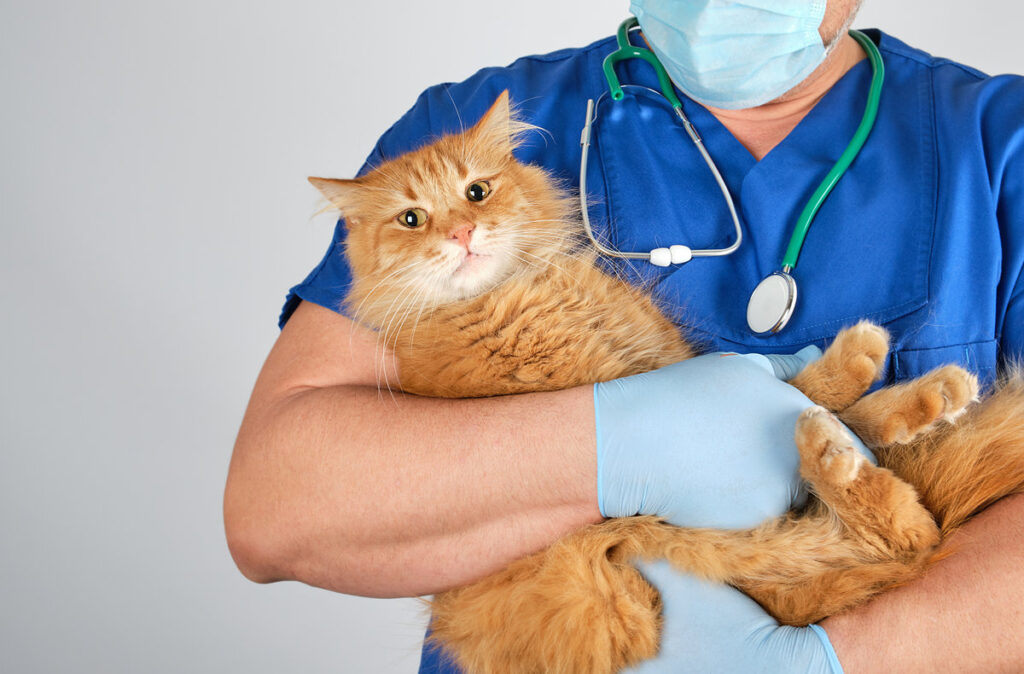
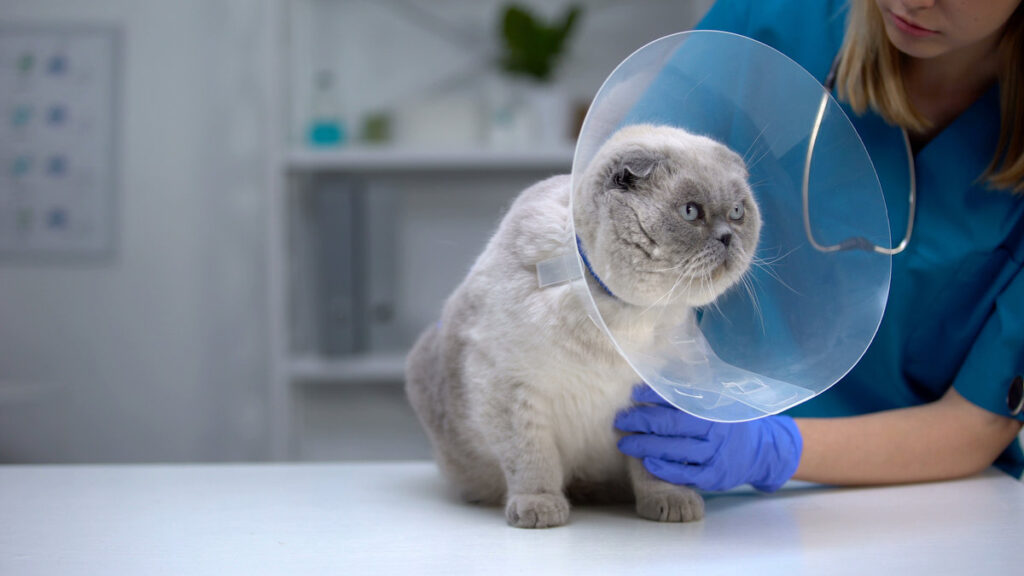
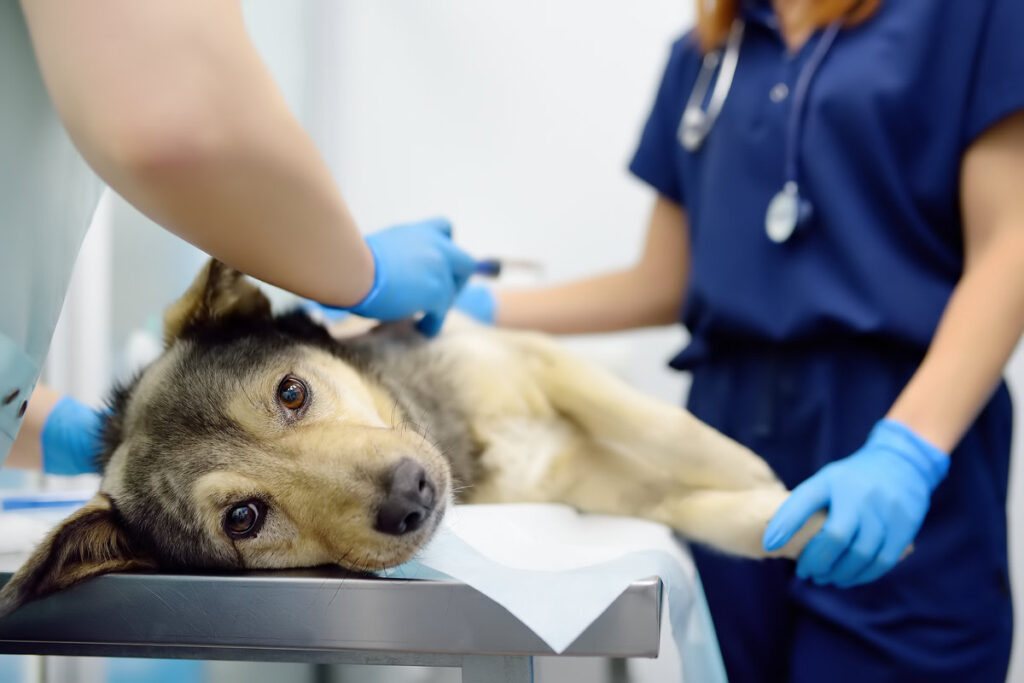
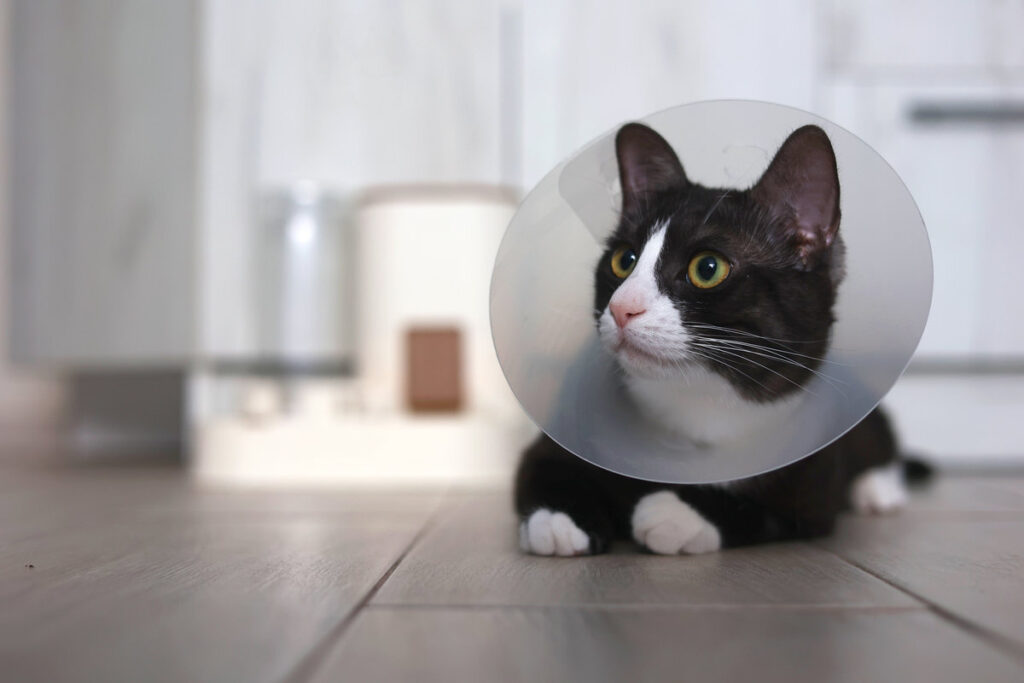
Brachycephalic surgery addresses the structural abnormalities that block your pet’s airway. The most common procedures involved in correcting BOAS target three primary problem areas, and our veterinary team tailors each surgical plan to your pet’s individual needs.
An elongated soft palate is one of the hallmark features of BOAS. The excess tissue at the back of the throat partially blocks the airway, making it harder for your pet to breathe normally. During a soft tissue surgery to correct this, our veterinarians carefully trim the palate to an appropriate length, opening up the airway and reducing the characteristic snoring and gagging.
Many brachycephalic pets are born with narrowed nostrils that restrict airflow before it even reaches the throat. Nares resection is a procedure that widens the nostrils, allowing your pet to take in more air with each breath. This relatively straightforward correction can have a dramatic impact on your pet’s ability to breathe comfortably during exercise, sleep, and everyday activities.
In some cases, pets may also need treatment for everted laryngeal saccules or other secondary changes that develop when the body compensates for chronic airway obstruction. Our team evaluates the full picture of your pet’s airway health during the surgical planning process so nothing gets overlooked.
My dog Aurora had mouth cancer. I found out and had such little time to schedule her surgery because it was so aggressive. I was referred to Dr. Sam by a friend. I live in Santa Barbara and made the trip up to Sacramento. I am still impressed how well everything went! She had to have almost half of her jaw removed. She is cancer free and looking amazing! Back to her puppy self. First picture is only 2 months after surgery! 2nd and 3rd are the day of. Dr. Sam saved my baby
- Hannah N.This Clinic would not hesitate to go beyond to help your pet. Our boy’s doctor Tyler is an amazing doctor and we are blessed to have him. Diamond was very ill needed emergency treatment /surgery and he received excellent care. We are so thankful for all the doctors surgeons did for our baby.
- Yliana T.Dr. Sam and the team went above and beyond to ensure my pet's safety and recovery. Highly recommended!
- Lisa P.I drove 95 miles to have Dr. Sam at Broadway Vet perform surgery on my kitten. The hospitality and professionalism demonstrated by the entire staff was second to none and I will be a return customer for all my future veterinary needs! My kitty bounced back so quickly because Dr. Sam is an expert in his field and knew just what needed to be done. Highly recommend Broadway Veterinary Hospital! Thanks, Dr. Sam!
- Madison G.Preparing your pet for brachycephalic surgery starts with a thorough evaluation. We perform a complete physical examination, review your pet’s medical history, and may recommend diagnostic imaging to fully understand the extent of the airway obstruction. Our patient monitoring protocols during surgery are designed with extra precautions for brachycephalic breeds, since their airway anatomy makes anesthesia management especially important.
Recovery from brachycephalic surgery typically involves a short hospital stay so we can closely monitor your pet’s breathing as they wake up from anesthesia. Most pets show noticeable improvements within the first few weeks, breathing more quietly, sleeping more soundly, and showing renewed interest in playtime and walks. We provide detailed aftercare instructions and schedule follow-up appointments to make sure your pet is healing well and getting the most benefit from their procedure.
Keeping your pet at a healthy weight is one of the best things you can do to support their recovery and long-term airway health. Regular wellness checkups help us track your pet’s progress and catch any changes early.
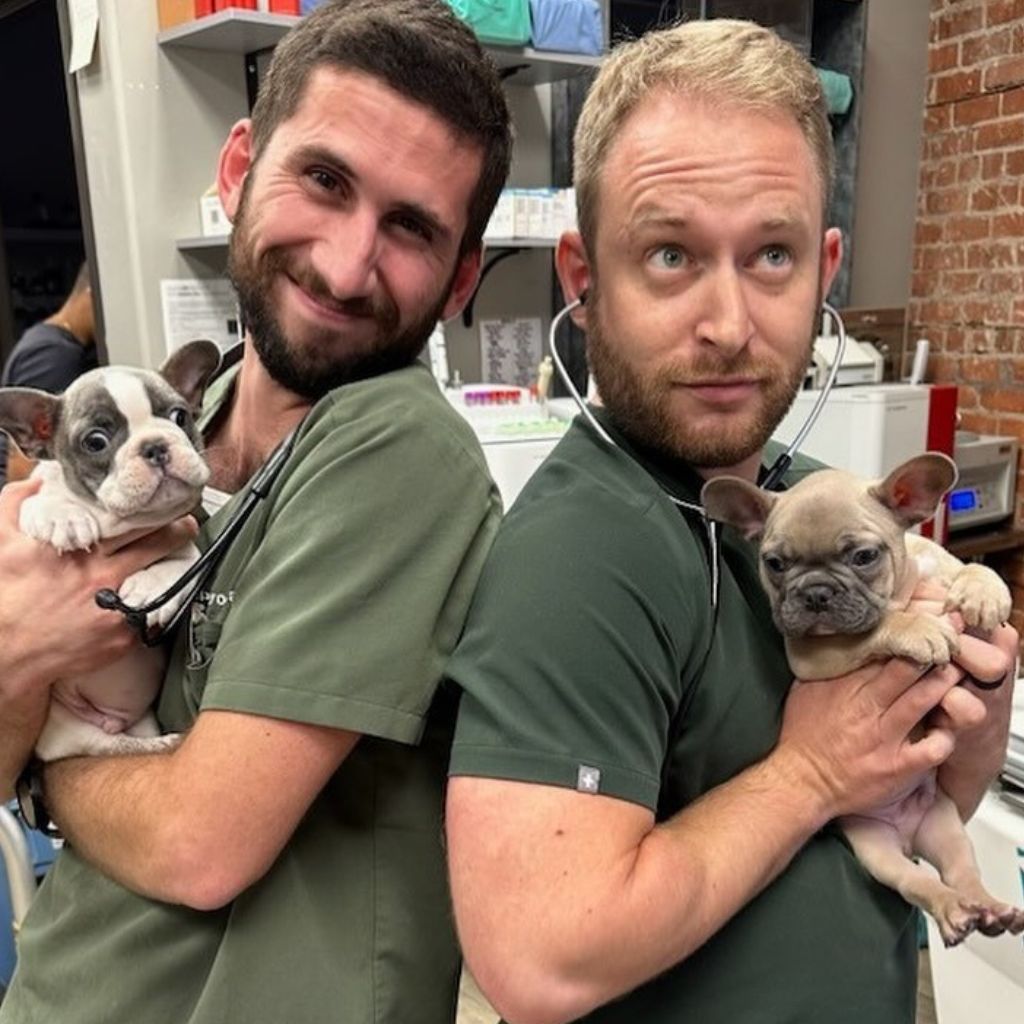
At Venetian Pet Hospital, we treat every pet like part of our own family. Dr. Sam Varon, a graduate of UC Davis School of Veterinary Medicine with high honors, brings focused skill in soft palate and nares resection, screw tail surgery, and other procedures crucial for short-faced breeds. Our veterinary team combines clinical knowledge with a warm, patient approach because we know your pet deserves nothing less.
If your brachycephalic companion is struggling with noisy breathing, exercise intolerance, or restless sleep, we are ready to help them find relief. Contact our office today to schedule a consultation and take the first step toward a happier, healthier life for your pet.
Hit enter to search or ESC to close